Remember These? 5 Cruise Lines That Vanished From the Seas
The cruise industry is booming today, with record numbers of passengers sailing every year. But long before mega-ships and high-tech cruise terminals became the norm, many cruise lines helped shape the industry we know today — and some of them have quietly disappeared.
Over the decades, mergers, financial struggles, and changing travel trends have caused several once-popular cruise brands to vanish. While their names may no longer appear on modern cruise brochures, their ships, traditions, and innovations still influence cruising today.
Here’s a look at five once-thriving cruise lines that no longer exist — but are still fondly remembered by many longtime cruisers.
Sitmar Cruises
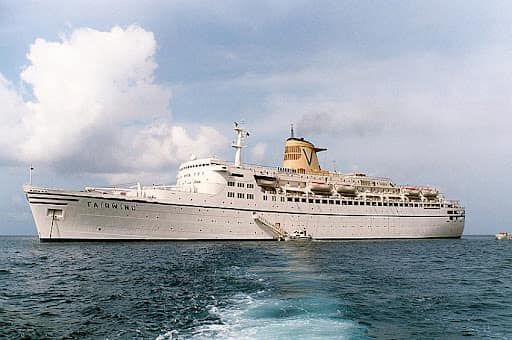
Sitmar Cruises began in 1948 as an Italian passenger shipping company known formally as Società Italiana Trasporti Marittimi.
In its early years, the company focused largely on transporting migrants between Europe and Australia following World War II. But by the 1970s, Sitmar transitioned into the growing cruise market and quickly became known for blending Italian elegance with relatively affordable cruise fares.
The cruise line developed a loyal following among North American and Australian travelers, who often praised its warm Italian crew and memorable onboard experiences. Many former passengers still reminisce about classic cruise traditions on Sitmar ships, including midnight buffets and elaborate meals like Baked Alaska.
Sitmar’s run came to an end in 1988 when it merged with Princess Cruises, which later integrated several of its ships into the Princess fleet. While the Sitmar name disappeared, the line helped bring cruising to a broader middle-class audience.
Renaissance Cruises
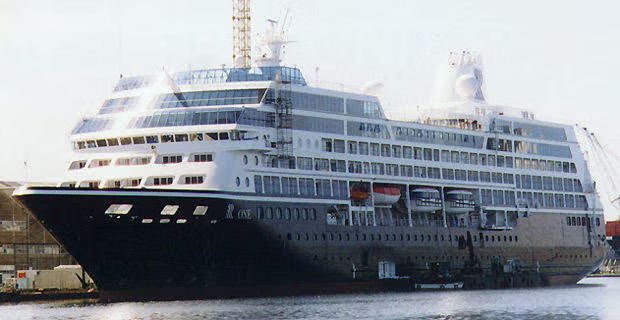
Renaissance Cruises had a relatively short lifespan but left a noticeable mark on the industry.
Founded in 1989, the cruise line positioned itself as an “affordable luxury” brand offering smaller, more intimate ships. Its earliest vessels were closer in size to large yachts, carrying just over 100 passengers.
The company later expanded its fleet with larger ships in the late 1990s, eventually operating eight vessels. Renaissance Cruises was headquartered in Fort Lauderdale, Florida, even though it was launched by a Norwegian shipping company.
However, the line’s success came to an abrupt end following the September 11, 2001 attacks, which severely disrupted the travel industry. Renaissance Cruises filed for bankruptcy later that month.
At the time of the shutdown, some ships reportedly ended their voyages mid-cruise and returned to port so creditors could seize the vessels, creating confusion for passengers and crew. The ships were eventually sold and continue sailing today under other cruise brands.
Fathom
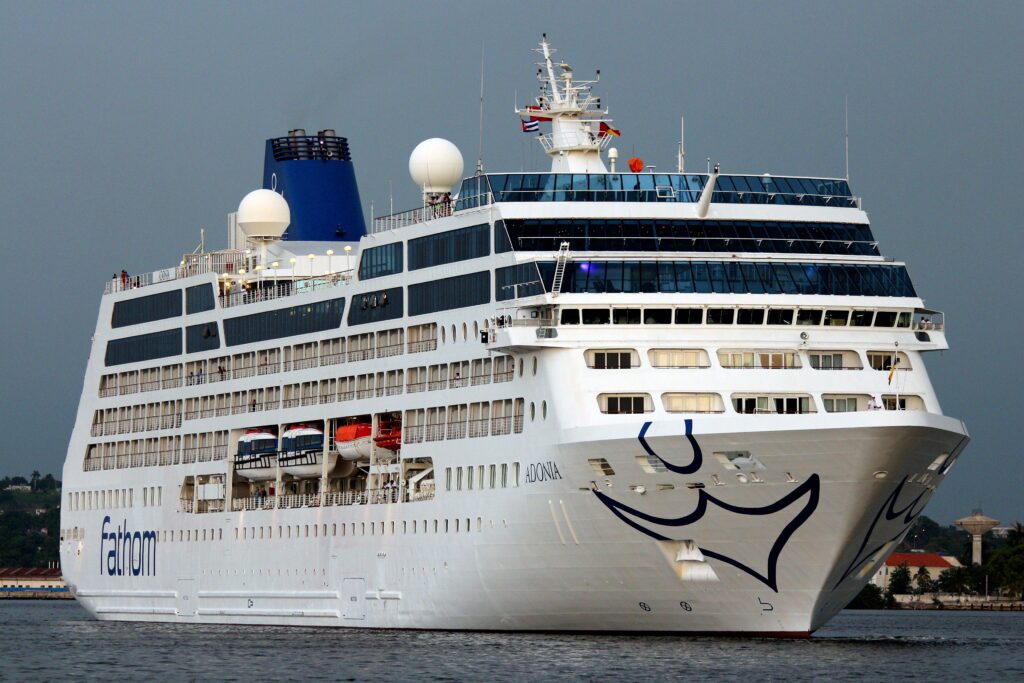
Fathom was one of the most unusual cruise concepts ever launched.
The brand was introduced by Carnival Corporation in 2016 with the goal of combining cruising with volunteer work. Instead of traditional cruise vacations, passengers participated in “voluntourism” activities during port stops.
Fathom’s only ship, Adonia, sailed week-long voyages from Florida to destinations including the Dominican Republic and Cuba. Guests could take part in activities such as teaching English, helping local businesses, or assisting with community development projects.
While the mission attracted attention, the concept struggled to reach a large enough audience. Some critics also questioned whether short-term volunteer work from visiting tourists was truly beneficial for local communities.
The cruise line shut down in 2017 after just one year of operations, and the ship was transferred to Azamara. Although short-lived, Fathom helped introduce the idea of social impact excursions, which several Carnival brands still offer today.
Home Lines
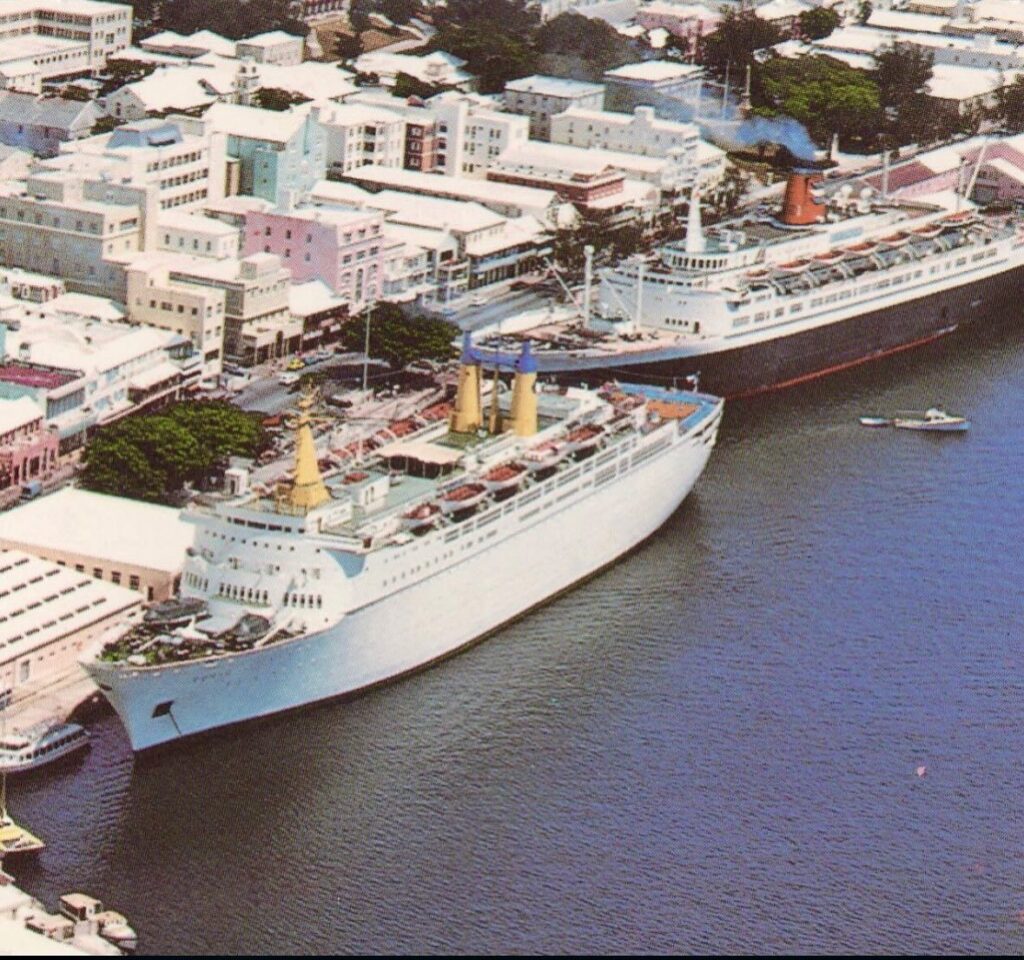
Home Lines was once considered one of the most beloved cruise brands of the mid-20th century.
Founded in 1946 in Italy, the cruise line gained popularity throughout the 1960s and 1970s thanks to its elegant atmosphere and exceptional onboard service.
At its peak, the company operated nine ships, including well-known vessels like Atlantic, Homeric, Oceanic, and Doric. Passengers often praised the line for its Italian hospitality, refined dining, and live music onboard.
The brand’s success eventually caught the attention of other cruise companies, and in 1988 Home Lines was acquired by Holland America Line, bringing the brand to an end.
Today, none of the original ships remain in service. Most were eventually scrapped, while one — the Doric — was intentionally sunk off the coast of South Africa in 2001.
Despite the brand’s disappearance, many former passengers still consider Home Lines one of the golden eras of cruising.
Royal Viking Line
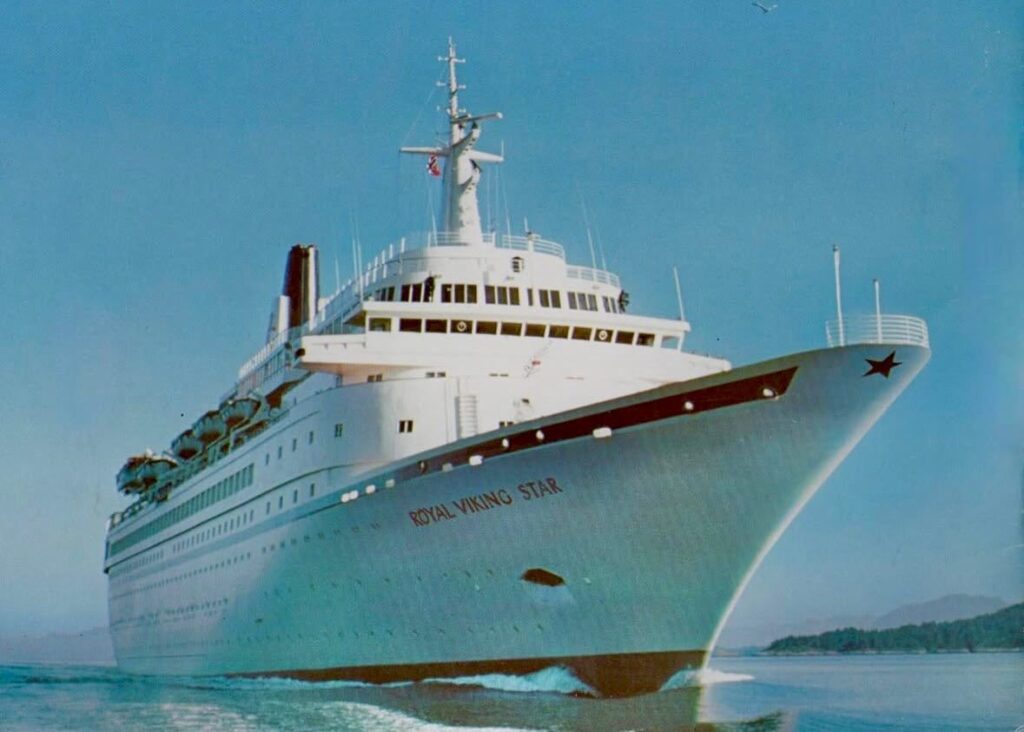
Royal Viking Line was one of the pioneers of luxury cruising.
Launched in 1972, the Norwegian cruise company quickly built a reputation for its high-end service and spacious ships. The line catered to affluent travelers seeking a more refined and relaxed cruise experience.
Royal Viking ships featured elegant touches that stood out at the time, including live harp music during afternoon tea, sophisticated lounges and libraries, and attentive service that many passengers compared to a private club.
Cruise enthusiasts often described the line as the “Cadillac of cruise lines.”
Despite its reputation for excellence, Royal Viking Line ceased operations in 1994 following ownership changes and industry consolidation.
Some of its ships continued sailing under different brands. For example:
- Royal Viking Sun later became Holland America Line’s Prinsendam
- Royal Viking Queen was eventually transformed into Windstar’s Star Legend
Interestingly, members of Royal Viking Line’s leadership team later went on to create Viking Cruises, which today operates one of the world’s most successful river and ocean cruise fleets.
A Reminder of How Much the Cruise Industry Has Changed
The cruise industry has evolved dramatically over the past several decades. Many smaller or specialized cruise brands eventually disappeared as larger companies expanded and consolidated the market.
Yet these now-defunct cruise lines helped shape modern cruising in important ways. Some introduced luxury service standards, while others experimented with new travel concepts or helped make cruising accessible to a broader audience.
Even though their names no longer appear on cruise brochures, their influence can still be felt across the industry today.
And for many longtime cruisers, the memories of those ships — sunset sailaways, midnight buffets, and elegant dining rooms — remain just as vivid as ever.