British Mom Dies Saving Her Two Sons From Rip Current During Cruise Stop in the Bahamas
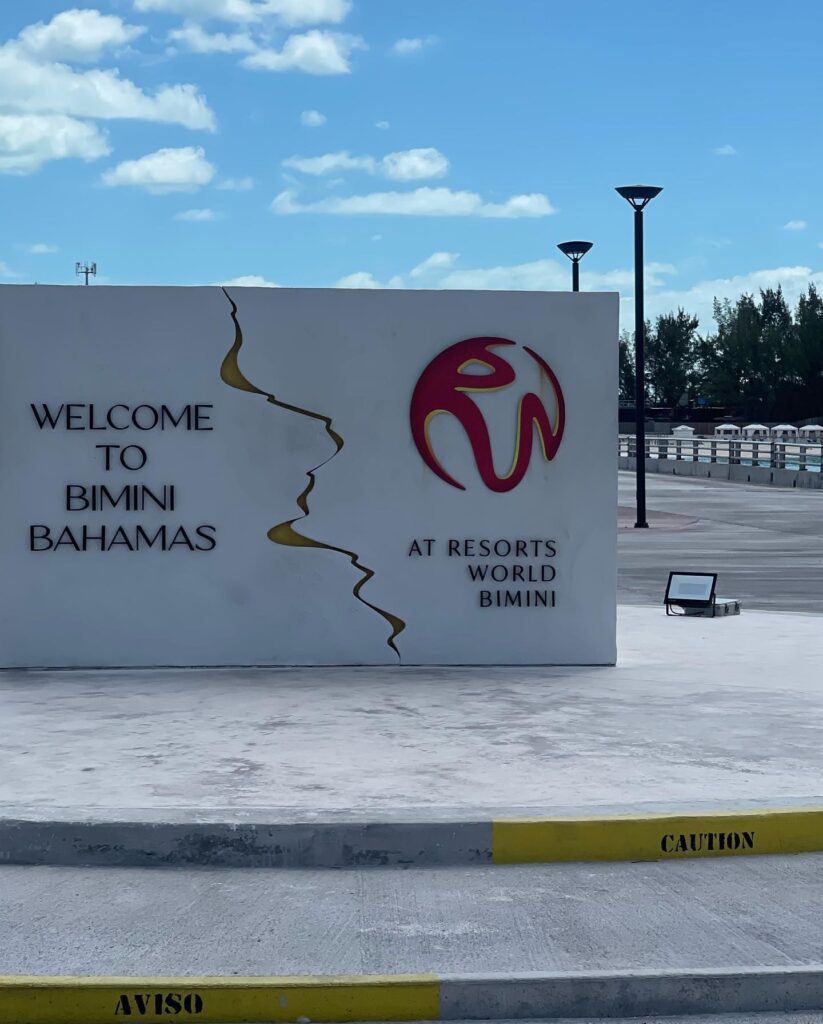
A heartbreaking tragedy unfolded during a cruise ship stop in the Bahamas this week, when a 36-year-old British mother lost her life trying to rescue her two sons from a powerful ocean current while snorkeling near Bimini.
The family — a mother, father, and two boys — had disembarked from their cruise ship and were snorkeling off the southern tip of the island on Tuesday, October 20, when strong currents swept the two sons away.
Without hesitation, the mom jumped in to save them.
She was swept away too.
“It Happened Really, Really Fast”
Local water taxi owner Linty Stuart of L&A Water Taxi captained the boat that managed to pull the boys to safety — and then reached the mother in the water.
“It happened, really really fast. I’m still in shock too,” Stuart told ZNS Network. His first mate, Jason Saunders, added: “It’s scary. We tried… It’s sad.”
Rescuers performed CPR on the mother at the North Bimini Ferry Dock, but despite their efforts, she was pronounced dead at a local clinic. Authorities said foul play is not suspected, and an autopsy will determine the official cause of death. The Royal Bahamas Police Force said the condition of the two boys has not been publicly released, but they were pulled from the water alive.
Dangerous Conditions Had Already Been Flagged
What makes this story even more tragic: the Bahamas Department of Meteorology had already issued warnings that day.
Forecasters had warned of near-gale conditions, moderate to large swells, and a high risk of rip currents across the Northern Bahamas — the exact area where the family was snorkeling. No coastal-flood or tidal warning had been issued specifically for Bimini, but the marine conditions were considered hazardous.
It’s a sobering reminder that local weather warnings don’t always make it onto cruise shore excursion briefings — and that guests aren’t always aware of the risks when they step off the ship.
The Bahamas Has Seen This Before
This isn’t the first time cruise passengers have lost their lives in Bahamian waters.
In August 2025, two people drowned at Carnival’s brand-new Celebration Key private resort on Grand Bahama Island — on the same day, just hours apart. A 79-year-old man lost consciousness while snorkeling at the beach, and a 74-year-old woman lost consciousness while swimming in a pool. Both were pronounced dead. Both were Carnival cruise passengers visiting the $600 million resort, which had only opened weeks earlier.
The incidents — at a resort with lifeguards on duty — raised serious questions about water safety at cruise destinations across the Bahamas.
Snorkeling Is More Dangerous Than Most Cruisers Realize
Snorkeling is one of the most popular shore excursion activities in the Caribbean and Bahamas. It’s sold as easy, fun, and accessible for the whole family. But the numbers tell a different story.
According to maritime safety experts, nearly one person dies in a snorkeling-related accident every single week. Drowning is the leading cause, often triggered by:
- Rip currents that pull swimmers rapidly away from shore and beyond their strength to return
- Large waves that can flood a snorkel, hold a swimmer underwater, and push them into shallow coral
- Overexertion — people underestimate how tiring open-water snorkeling can be, especially in currents
- Lack of flotation — many snorkelers skip life vests entirely, which makes recovery from any incident far harder
- Snorkeling alone or without a guide who knows local conditions
In this case, it appears the family was caught in exactly the kind of current the meteorology department had flagged hours earlier.
What Is a Rip Current — and Why Is It So Deadly?
A rip current is a powerful, narrow channel of fast-moving water that flows away from shore and out to sea. They can reach speeds of 8 feet per second — faster than even Olympic swimmers can manage. Most drowning victims die not from the current itself, but from exhaustion after fighting it.
Here’s what makes rip currents so dangerous for families:
- They’re nearly invisible from the surface — the water may look calm
- They can develop suddenly, especially when swells increase or tides shift
- They’re strongest near shore, where most casual snorkelers stay
- Children and smaller adults are especially vulnerable because they have less strength to resist
The Bahamas Department of Meteorology had specifically warned of high rip current risk across the Northern Bahamas on the day this family was in the water.
If You’re Caught in a Rip Current, Do NOT Swim Against It
The instinct when you feel a strong current pulling you out to sea is to fight it — to swim directly back to shore. That instinct can kill you.
The right move:
- Stay calm and don’t exhaust yourself fighting the current
- Swim parallel to shore — rip currents are typically narrow, and swimming sideways will bring you out of it
- Once free of the current, swim back to shore at an angle
- If you can’t escape, float and signal for help — conserve your energy
If your child is caught in a current, signal for rescue immediately rather than entering the water yourself without backup. The tragedy in Bimini shows how quickly a parent’s instinct to save their child can lead to a second victim.
How to Stay Safe Snorkeling on Your Next Cruise Stop
Before you book that snorkeling excursion at your next port of call, here’s what experts recommend:
Before you get in the water:
- ✅ Check the local marine forecast — not just the cruise line’s weather app
- ✅ Ask your tour operator specifically about rip current risk that day
- ✅ Confirm there will be a guide and/or lifeguard present
- ✅ Ask whether the vessel is regularly Coast Guard inspected
- ✅ Wear a flotation device — inflatable vests allow you to dive but give you buoyancy if you get in trouble
In the water:
- ✅ Never snorkel alone — always stay within sight of a companion or boat
- ✅ First-timers should stay close to shore before attempting open water
- ✅ Surface regularly to check your position relative to shore
- ✅ Avoid snorkeling in high surf or choppy conditions
- ✅ Have a pre-agreed signal with your group if someone needs help
With kids:
- ✅ Children should always wear a proper life jacket, not just a swim vest
- ✅ Assign one adult per child — don’t split attention across multiple swimmers
- ✅ Establish a “buddy” rule so no child is ever swimming without an adult in arm’s reach
Book Shore Excursions Through Your Cruise Line When in Doubt
One practical step many cruise safety advocates recommend: when snorkeling in areas with unpredictable currents — like the Bahamas — consider booking through your cruise line rather than independently. Cruise line excursions aren’t perfect, but they do carry additional liability protections, are typically vetted for safety, and guarantee the ship won’t leave port without you in an emergency.
Independent operators can be excellent — but they vary wildly in safety standards, equipment quality, and training.
Our hearts go out to this family. A mother’s love is boundless — and she gave everything she had for her children. We hope her boys grow up knowing just how fiercely she fought for them.
If you’re planning a snorkeling excursion on an upcoming cruise, please share this article. It just might save a life.