Doctor Arrested at PortMiami With Tesla-Logo MDMA Pills Before Boarding Norwegian Cruise Ship
An Arizona doctor never made it past the terminal when CBP officers found a pelican case full of drugs in his luggage — including pills stamped with the Tesla logo.
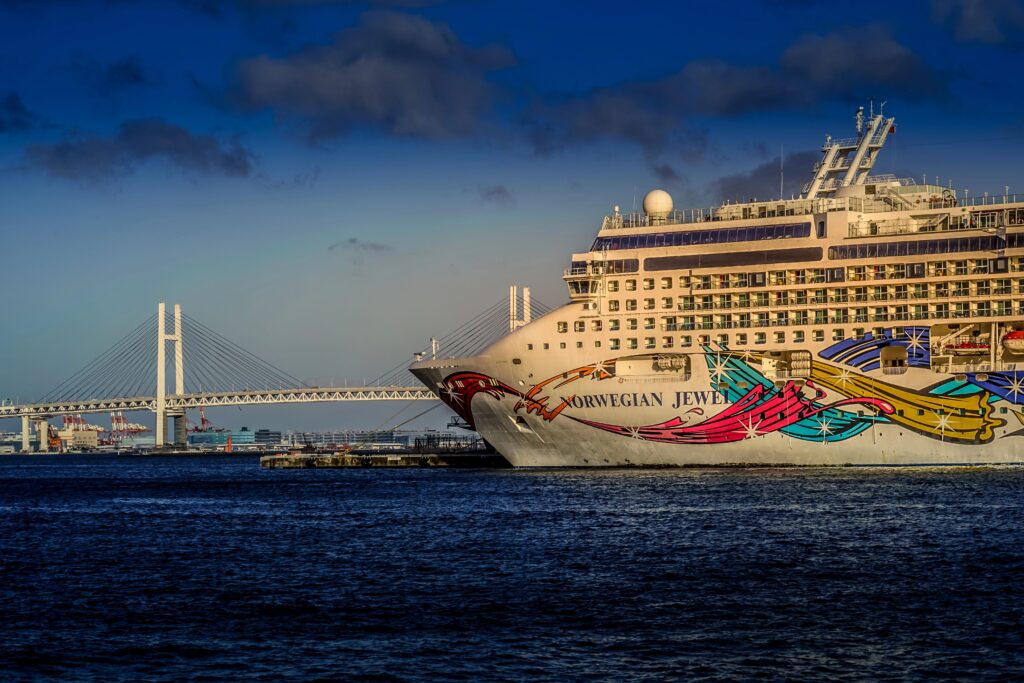
A cruise vacation turned into an arrest before it even started for three passengers who attempted to board Norwegian Jewel at PortMiami last Tuesday — including an orthopedic surgeon who was carrying what investigators described as a mobile pharmacy.
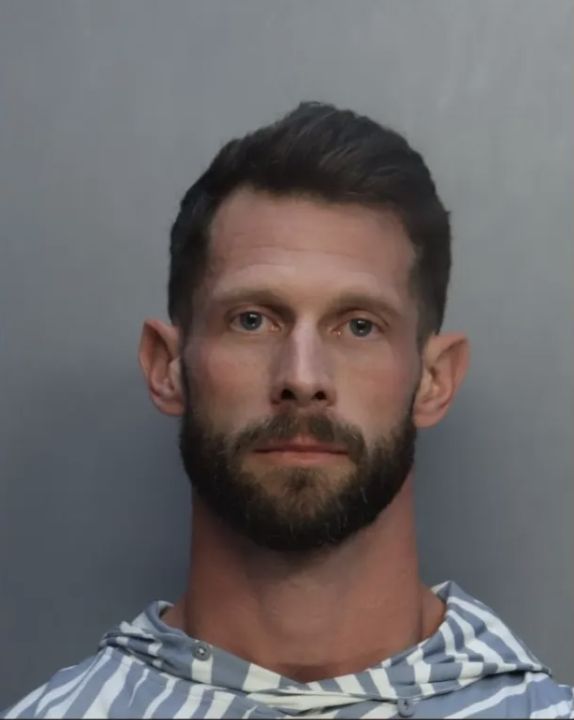
Jacob Henrichsen, 38, of Arizona, was stopped by U.S. Customs and Border Protection officers working Terminal B as part of “Operation Temptation 2026.” When officers searched his bags — including a pelican-style hard case — they found a haul that included white and pink capsules, gummies, pills stamped with the Tesla logo, mints, a vape pen, lollipops, and two chocolate bars branded with mushrooms.
Field testing told the rest of the story. The Tesla-logo pills and several of the gummies tested positive for MDMA. The mushroom chocolates came back positive for LSD. The mints, vape pen, and remaining gummies tested positive for THC.
Henrichsen — listed as an orthopedic surgeon in Arizona — now faces one felony MDMA trafficking charge and two felony possession counts. His bond was set at $40,000.
At a bond hearing the following day, his attorney pushed back on the numbers.
“This isn’t pure MDMA. These are gummies that are largely sugar and water. There are small quantities of MDMA inside of them. So, it does overrepresent,” the attorney told the judge.
Two More Passengers Caught in the Same Sweep
Henrichsen wasn’t alone in his unfortunate morning. Two other passengers — both traveling separately — were also stopped at Terminal B while trying to board the same ship.
Kimberly Shannon, 57, of Ohio, was found with THC gummies and two vape pens. CBP officers used a mobile THC detection pouch that flagged the colorful gummies, which weighed over 300 grams.
Lori Watt, 51, of Illinois, was caught with cannabis gummies, candies, and two THC vape pens. Both women face a single felony drug possession charge.
Because the THC quantities didn’t meet the federal prosecution threshold, both women’s cases were handed off to the Miami-Dade Sheriff’s Office.
The Ship Left Without Them
Norwegian Jewel was scheduled to sail to Nassau in the Bahamas and Key West before returning to PortMiami. All three passengers missed it.
The arrests are a stark reminder that cruise terminals are active federal checkpoints — not airport-style security you can breeze through. CBP’s K9 units stationed at PortMiami are specifically trained for this, and the port runs targeted operations like “Operation Temptation 2026” regularly.
Laws that vary by state don’t apply at the terminal. What’s legal back home in Ohio or Illinois is still a felony in Florida — and on any cruise ship.
The three passengers are now working through the Miami-Dade court system. Norwegian Jewel sailed without them.
Do Cruise Ports Always Have Drug-Sniffing Dogs?
Not always visibly — but the capability is almost always there.
Major U.S. cruise homeports like PortMiami, Port Canaveral, and the Port of Galveston all have CBP teams with trained K9 units either stationed on-site or deployable on short notice. You won’t see a dog sniffing every bag on every embarkation day, but that’s exactly the point. The unpredictability is part of the deterrent.
Operations like “Operation Temptation 2026” are targeted sweeps where CBP floods a terminal with extra personnel and detection resources on a specific day. Passengers have no way of knowing in advance when one of these operations is running.
The dogs themselves are trained to detect a wide range of controlled substances — not just marijuana. MDMA, cocaine, heroin, methamphetamine, and fentanyl are all on the list. Some ports also use chemical detection technology that can flag trace amounts of drugs on luggage surfaces, even when the substance is sealed inside packaging designed to mask odors.
Bottom line: you should assume the dogs are always there, even when you can’t see them.
What Happens if You Get Caught With Drugs at a Cruise Port?
The consequences depend on what you’re caught with, how much, and where you’re boarding — but none of the outcomes are good.
At a Florida homeport like PortMiami, you’re subject to both federal law (because CBP is a federal agency) and Florida state law, which has some of the harshest drug statutes in the country. Recreational marijuana is illegal in Florida, period. MDMA trafficking charges can carry mandatory minimum sentences.
In most cases, CBP officers make the initial stop, conduct field testing, and then determine whether to pursue federal charges or hand the case to local law enforcement. If the quantities are large enough — or if the substances are particularly serious — federal trafficking charges come into play, which carry significantly heavier penalties than simple possession.
Beyond the legal consequences, you also lose your cruise. The ship doesn’t wait. You forfeit your fare, your excursions, and everything you paid for. Your travel companions sail without you. And depending on the charges, you may face travel restrictions that affect future cruises as well.
Are Cruise Ships Themselves Searched for Drugs?
Once aboard, cruise ships aren’t completely drug-free zones either — security teams aboard every major cruise line are trained to identify and confiscate prohibited items. Ships sailing to the Bahamas, Caribbean, and Mexico visit ports where local law enforcement can and does board vessels or conduct pier-side inspections.
Getting caught with drugs at a port of call in the Bahamas or Jamaica carries its own serious consequences under that country’s laws, which are often more severe than what you’d face at home.
Norwegian Cruise Line, like all major cruise lines, explicitly prohibits illegal drugs in its guest conduct policy. Passengers caught with controlled substances aboard can be disembarked at the next port — regardless of where that port is.
This Isn’t the First Time, and It Won’t Be the Last
PortMiami and Port Canaveral regularly see drug-related arrests at embarkation. CruiseOverload has covered similar stories at Port Canaveral, where passengers have been caught with everything from marijuana edibles to harder substances — often with the same story: they didn’t think they’d get caught, or they forgot it was in their bag.
The lesson is simple: cruise terminals are federal checkpoints. The screening process has gotten more sophisticated, not less. And with targeted operations like “Operation Temptation 2026” running specifically to catch this kind of smuggling, the odds of walking through with a pelican case full of Tesla-logo MDMA pills are not in your favor.
Jacob Henrichsen learned that the hard way. His Bahamas cruise became a $40,000 bond and a stack of felony charges before he ever saw the ocean.
Have you ever seen something surprising happen at a cruise terminal? Tell us in the comments.


