Carnival Fires Back After Guests Miss Ship Due to Traffic Nightmare
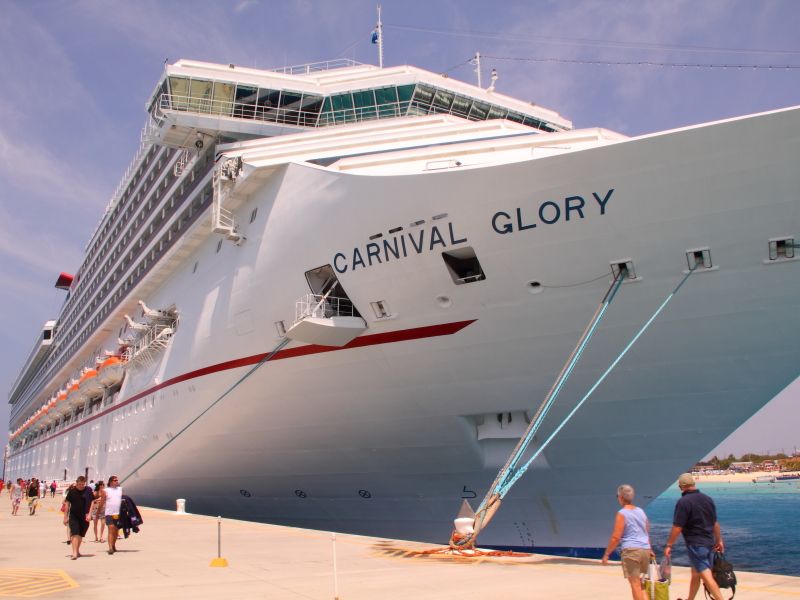
A Georgia family’s dream cruise on Carnival Glory turned into heartbreak after a traffic accident on Florida’s I-75 left them stranded just steps from their vacation.
Despite making it to Port Canaveral with the ship still in sight, they were locked out of the terminal and denied boarding — sparking a wave of debate across the cruising community.
450 Miles, One Accident, and a Missed Cruise
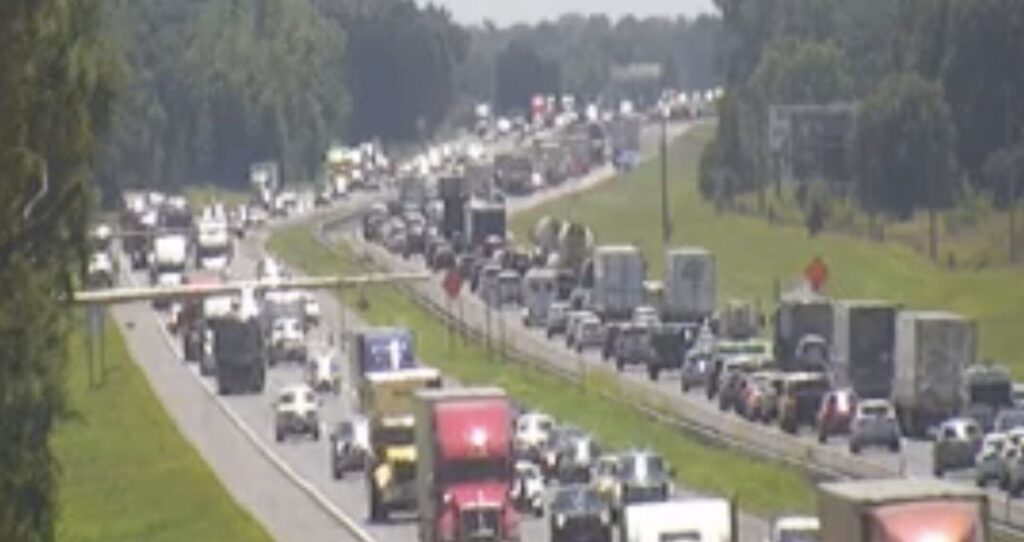
The family drove more than 450 miles from Senoia, Georgia, expecting to board Carnival Glory for a Bahamas sailing. But a major crash turned their route into a standstill. By the time they reached Port Canaveral, nearly seven hours later, boarding had already closed.
From their perspective, it felt cruel. The ship was still docked with almost an hour until departure, yet terminal doors were shut, and no Carnival staff were available to explain why. Their vacation was over before it started.
On a relative’s advice, they sent a detailed complaint to Carnival Brand Ambassador John Heald, requesting a refund and insisting they had done everything possible to make it to port.
Carnival’s Brand Ambassador Explains the Rules

Heald, who frequently addresses guest concerns on social media, responded publicly — and firmly. He acknowledged the family’s ordeal but stressed that Carnival had no choice in the matter.
According to Heald, U.S. Homeland Security requires cruise lines to file a final passenger manifest at least 60 minutes before sailing. Once it’s submitted, no additional guests can board, regardless of delays. He likened the process to airlines closing aircraft doors: “Once those airplane doors are closed, no late passengers are permitted aboard — and it’s the same for ships.”
Heald pointed out that each passenger’s boarding pass clearly states the Final Boarding Time, and Carnival’s Guest Ticket Contract specifies that no-shows, for any reason, receive no refund. He expressed sympathy but made clear that exceptions are impossible under federal law.
The Real Lesson: Arrive Early and Get Insurance
This incident serves as a cautionary tale and reinforces advice that frequent cruisers swear by: arrive early and carry travel insurance. Both steps may seem like an added expense or hassle, but they can save an entire vacation from unraveling.
Arrive the day before. Many first-time cruisers underestimate how risky it is to travel to the port on the same day as departure. A single traffic jam, flight cancellation, or weather delay can leave you stranded — even if you’re only a few miles away from the ship.
By arriving in your embarkation city the night before, you give yourself a cushion against the unexpected. A modest hotel stay is far cheaper than losing thousands of dollars on a missed sailing.
Seasoned cruisers treat this as non-negotiable, comparing it to arriving at the airport hours before an international flight.
Buy travel insurance. Beyond timing, insurance provides a safety net when things go wrong. Comprehensive policies often cover trip interruption or delays caused by accidents, severe weather, or even medical emergencies.
Depending on the plan, travelers may be reimbursed for missed days, covered for meals and lodging while waiting to rejoin their ship, or even flown to the next port of call. Without it, passengers are left absorbing the full cost of a lost vacation.
In this family’s case, the decision to drive more than 450 miles on embarkation day — without an overnight buffer or insurance policy — meant there was no fallback when disaster struck.
For Carnival, the rules were clear and legally binding, but for the family, it was a painful reminder that a little extra planning can make the difference between waving from the pier and waving from the ship’s deck.
Social Media Reactions
When John Heald shared the family’s account on his social media page, it quickly struck a chord with the cruising community. Within hours, the comments section was filled with advice, sympathy, and — above all — strong reminders about the importance of preparation.
For many seasoned cruisers, the message was crystal clear: never travel to the port on the same day your ship sails. “Be there the night before. Too much can go wrong!” one commenter stressed.
Another echoed the sentiment with a cost comparison that resonated with thousands: “A hotel room at $200 is cheap compared to missing a $3,000 cruise.” The consensus was that spending a night near the port isn’t a luxury — it’s an insurance policy against missed vacations.
Travel insurance became another hot topic. Dozens of commenters repeated Heald’s warning that “you don’t need travel insurance until you do.” One traveler shared the story of a friend who had to be medically evacuated from a ship, calling it “the most expensive excursion ever.” Others mentioned how insurance had covered their hotels, meals, and even flights to the next port after unexpected delays, turning potential disasters into manageable inconveniences.
While a few expressed sympathy for the family’s situation, the overwhelming tone was one of tough love. Many argued that the risks of same-day travel are well-known in the cruise world and that skipping insurance only amplifies those risks.
“If you don’t plan to arrive in your departure city a day beforehand, you’re flirting with disaster,” one blunt response read. Another commenter summed it up with a dose of dry humor: “Cruise ships run on ship time, not your time.”
The overall takeaway from the online discussion was united and firm: life happens, but careful planning makes all the difference. Whether it’s traffic, weather, or flight cancellations, mishaps are inevitable. What matters is whether travelers prepare for them with extra time and the right protections.
Bottom Line
While it’s easy to sympathize with the family’s frustration, Carnival’s refusal to allow boarding wasn’t arbitrary. Federal security rules dictate strict deadlines, and once the cutoff passes, doors stay closed — even if the ship hasn’t left the pier.
The takeaway is clear: plan to arrive early, and protect your investment with insurance. A little extra foresight could mean the difference between standing on deck with a drink in hand — or watching your ship sail away without you.