Costa Cruises Will Fine You $70 for Taking Buffet Food Back to Your Cabin (and Passengers Are Furious)
If you’ve ever grabbed a plate from the buffet and wandered back to your cabin, out to the pool deck, or into a lounge to eat in peace — Costa Cruises has a message for you. That’ll be €60.
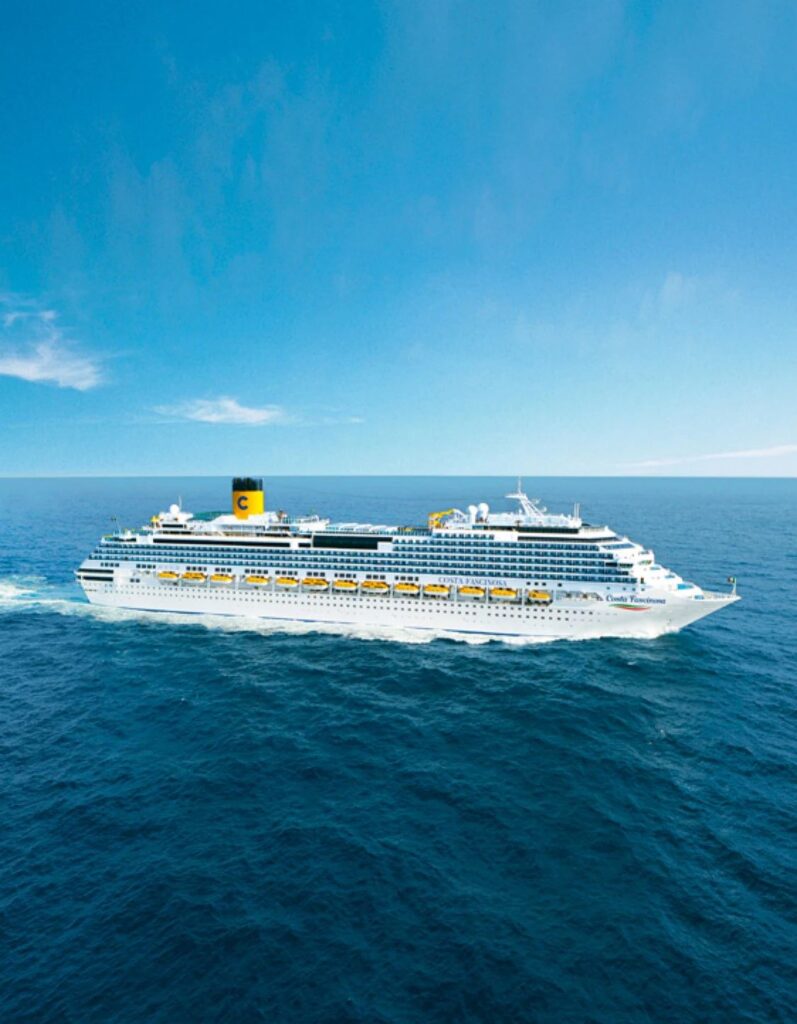
The Carnival Corporation-owned cruise line has issued a formal notice to passengers outlining a strict new food policy that has ignited fierce debate across cruise communities worldwide. Under the new rules, all food must be consumed exclusively within designated dining venues.
Taking a plate anywhere else — your cabin, the pool area, an indoor lounge, or any other space on the ship — now risks a €60 cleaning charge, equivalent to roughly $70 USD.
What the Policy Actually Says
The notice sent to Costa guests is unambiguous. Food removal from buffet areas and restaurants is prohibited. Passengers are not permitted to carry meals to their staterooms, out to the pool deck, into public lounges, or anywhere else that isn’t a designated dining space.
The one exception is room service — but Costa has been specific about this too. Only room service personnel who have undergone training in hygiene and sanitation procedures are authorized to transport food to guest cabins. The implication is clear: going to the buffet yourself and bringing something back to your room bypasses that trained process and is therefore subject to the fine.
The stated rationale is hygiene. Costa says the policy is designed to prevent cross-contamination, reduce the spread of food-borne illness, and minimize the risk of parasites and other sanitation-related issues onboard. Given that cruise ships have faced scrutiny over buffet hygiene for years, the intention behind the rule is not difficult to understand.
Whether the execution makes sense is an entirely different conversation.
What Cruisers Are Saying
The reaction online has been swift, loud, and overwhelmingly negative.
The most common objection is the room service comparison. Passengers are pointing out that room service — the only officially sanctioned way to eat in your cabin — results in food being transported from the kitchen to a stateroom in exactly the same way a guest would transport it themselves. The trained personnel argument has not satisfied many critics, who see the distinction as a technicality designed to protect a revenue stream rather than a genuine hygiene measure.
“Many times I have grabbed a slice and taken it back to my cabin. What’s the big deal? No different than room service,” wrote one passenger online. “Appears some cruise lines are becoming petty.”
Others raised practical concerns that go beyond the philosophical objection. One traveler described sailing with a family member recovering from ankle surgery — unable to walk comfortably to the dining room, she relied on her companion to bring food from the buffet rather than pay the additional cost of room service every meal. Under Costa’s new policy, that practical accommodation would now carry a fine.
The Disney comparison also made the rounds. One cruiser noted that on a recent sailing aboard Disney Treasure, crew members actively encouraged guests to take their breakfast to the pool deck because seating inside the buffet was so limited. The contrast between two major cruise lines handling the same situation in diametrically opposite ways has not been lost on the community.
Perhaps most strikingly, some past Costa guests have shared firsthand accounts of the policy already being enforced — with staff positioned at buffet exits specifically to prevent plates from leaving the dining area, in some cases blocking access even to the outdoor seating immediately adjacent to the buffet.

Does Costa Have a Hygiene Problem?
The timing and nature of the policy have led some to ask whether it represents a genuine sanitation push or a reactive response to Costa’s existing reputation in this area.
Across review platforms, Costa Cruises has accumulated a notable volume of hygiene-related complaints over the years. Reviews citing unclean cabin bathrooms on embarkation day, poorly maintained buffet areas, and contaminated restaurant linen are not difficult to find. Whether tightening the rules around where food can be eaten will meaningfully address those underlying concerns is a question the cruise community is asking loudly.
Carnival Corporation, which owns Costa alongside Carnival Cruise Line, Princess Cruises, Holland America, and several other brands, has not commented publicly on the policy. The parent company has had considerable ground to cover recently, between the ongoing investigation into an alleged data breach affecting millions of records and the tragic death of a passenger at Celebration Key. Costa’s food fine has not yet prompted any response from the Miami-based conglomerate.
Could This Spread to Other Lines?
The anxiety running through online cruise forums right now is not just about Costa. It is about what comes next.
The cruise industry has a well-documented follow-the-leader tendency when it comes to policy changes. When one major line introduces a fee or restriction and the financial or operational results are positive, others tend to take notice. The fear among many cruisers is that Costa’s buffet fine, however unpopular, could become a template.
For now, most mainstream cruise lines have no equivalent policy. The standard approach is to permit guests to take food from buffets as long as they are reasonable about where plates are left — the perennial debate about whether dirty dishes belong in cabin corridors or should be returned to the dining room is a different argument entirely.
Whether Costa’s approach becomes an industry moment or simply a brand-specific controversy that costs the line some bookings remains to be seen. Based on the reaction so far, the phrase “going to cost them clientele” — used by more than one commenter online — appears to be exactly the outcome the cruise line’s commercial team should be most concerned about.