Three Dead, 149 Stranded at Sea After Rare Hantavirus Outbreak on Cruise Ship
A polar expedition cruise sailing the Atlantic has become the center of an international health emergency, with three passengers dead, multiple others seriously ill, and 149 people still trapped aboard a ship that has been denied permission to dock.
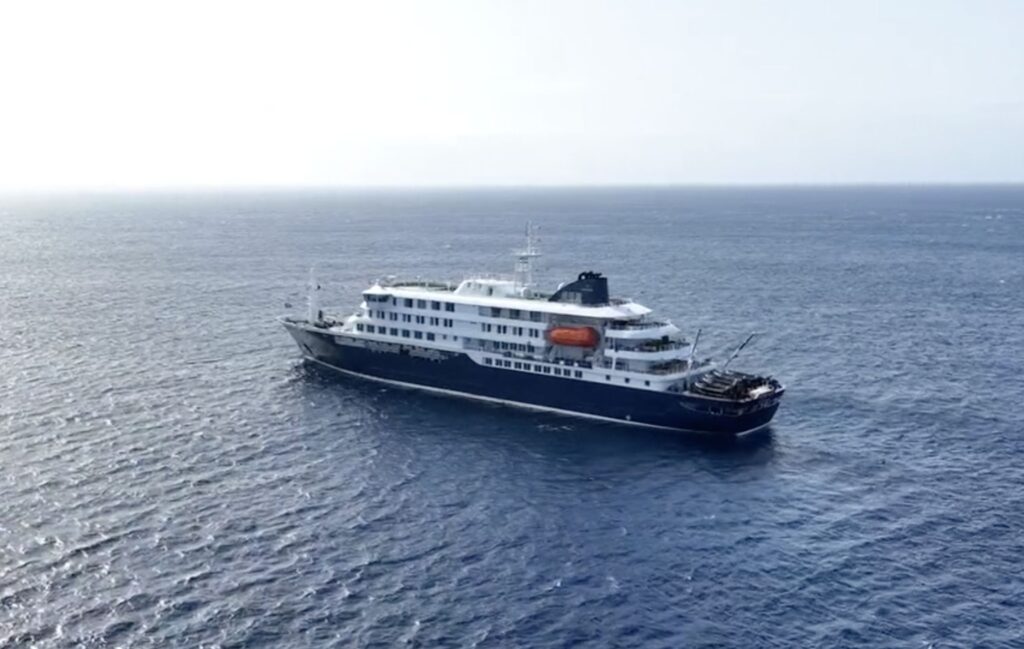
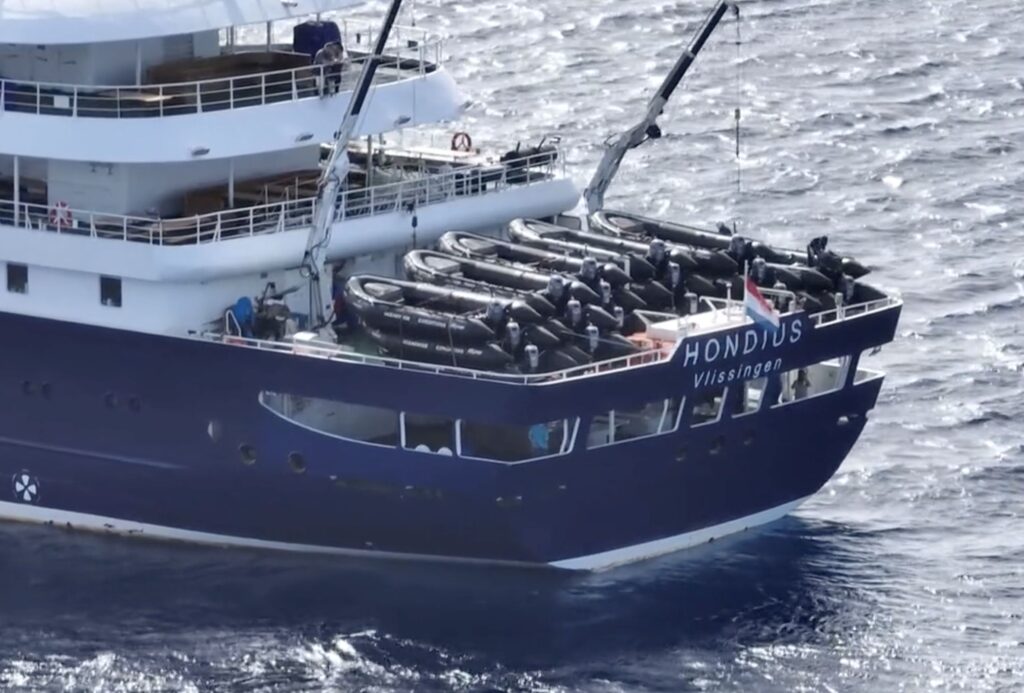
The MV Hondius, operated by Dutch expedition company Oceanwide Expeditions, is currently anchored off the coast of Praia, the capital of Cape Verde, after the west African island nation refused the vessel entry to its port as a precautionary public health measure.
The World Health Organization is now actively involved, coordinating medical evacuations and working with governments across multiple continents to manage what has become one of the most alarming incidents in recent cruise history.
What Happened and Where
The Hondius departed Ushuaia, Argentina, over a month ago on an expedition voyage to Antarctica, making stops at some of the world’s most remote destinations — including the British overseas territory of Saint Helena — before heading toward the Canary Islands. The ship carried approximately 150 passengers from 23 different countries, including 17 Americans.
The first sign that something was wrong came on April 11, when a 70-year-old Dutch passenger fell suddenly ill with fever, headache, abdominal pain and diarrhea. He died aboard the ship that same day, though the cause of death could not be determined at sea. His body was disembarked at Saint Helena on April 24 for repatriation.
His 69-year-old wife, also Dutch, then collapsed at Johannesburg’s OR Tambo International Airport while attempting to fly home to the Netherlands and died at a nearby hospital. While Oceanwide has said it cannot confirm the two deaths are connected to the ongoing medical situation, South African health authorities have provided details suggesting a strong link.
On April 27, after the ship had departed Saint Helena, a British national became seriously ill. He is now in a critical condition at a private medical facility in Johannesburg and is the only individual so far confirmed by laboratory testing to have hantavirus. South Africa’s National Institute for Communicable Diseases confirmed that result.
The third death occurred on May 2, when a German national died aboard the vessel. The official cause of death has not yet been established, though Germany’s foreign ministry later confirmed the loss.
Additionally, two crew members — one British, one Dutch — are currently experiencing acute respiratory symptoms requiring urgent medical attention on board.
The Virus: Rare, Deadly, and Poorly Understood at Sea
Hantavirus is a family of viruses transmitted primarily through contact with infected rodents — their urine, droppings, and saliva — and it is exceptionally rare in humans. Since surveillance began in the United States in 1993, fewer than 900 confirmed cases have been recorded there in over three decades.
When it does take hold, however, it is devastating — the CDC estimates that roughly 38% of those who develop respiratory symptoms may die, a figure that rises further among elderly or immunocompromised patients. There is no cure; treatment is entirely symptomatic.
The disease became more widely known last year when it was confirmed as the cause of death of Betsy Arakawa, the wife of the late actor Gene Hackman.
What makes the situation aboard the Hondius particularly alarming to medical experts is how unusual it is for this virus to appear in a maritime setting. Scott Miscovich, a family physician and infectious disease specialist, told CNN that when he first read about the suspected outbreak, he initially assumed it was a reporting error. He outlined two possible explanations — either the ship became contaminated with rodent excrement at some point during its journey, or one passenger contracted the Andes variant of hantavirus in South America, which carries limited evidence of human-to-human transmission.
That second possibility is the one keeping scientists most alert. Just one strain of hantavirus — the Andes virus, found primarily in Chile and Argentina, both of which this voyage touched — is known to have any capacity for person-to-person spread, however rare. If that route of transmission is confirmed here, Miscovich said it would fundamentally change the fields of travel medicine and infectious disease.
Six symptomatic individuals have been identified so far. Only one case has been laboratory-confirmed as hantavirus. The remaining five are classified as suspected cases while detailed investigations and further testing continue.
The Human Side: Passengers Stranded and Frightened
For the 149 people still aboard the Hondius, the situation is one of profound uncertainty. They are subject to strict isolation protocols and ongoing medical monitoring, unable to leave the ship and unsure of when or where they will be allowed to disembark.
Travel vlogger Jake Rosmarin, one of the passengers on board, shared an emotional video on Instagram on Monday that cut through the clinical language of official statements.
“What’s happening right now is very real for all of us here. We’re not just a story. We’re not just headlines,” he said, his voice breaking. “We’re people, people with families, with lives, with people waiting for us at home. There’s a lot of uncertainty, and that’s the hardest part.”
The U.S. State Department confirmed on Monday that it is closely monitoring the situation and stands ready to provide consular assistance to the 17 Americans on board.
International Response
The WHO has stepped in to coordinate what is rapidly becoming a multi-government operation. Hans Kluge, WHO’s Regional Director for Europe, confirmed the organization is facilitating medical evacuation planning for symptomatic passengers and crew, while also conducting a full public health risk assessment for everyone remaining on the vessel.
Dutch authorities have agreed to repatriate symptomatic crew members as well as the remains of one deceased individual. Cape Verde’s health ministry has said it is monitoring the situation closely and will provide updates as they develop.
The WHO was emphatic in its public messaging: “The risk to the wider public remains low. There is no need for panic or travel restrictions.” Kluge stressed that hantavirus is not easily transmitted between people and that the outbreak does not constitute a broader public health emergency.
As for where the Hondius goes next — Oceanwide Expeditions said the ship may sail to Las Palmas or Tenerife in the Canary Islands, where it is hoped authorities will permit docking and allow the safe disembarkation of passengers.
For now, 149 people wait at anchor off the African coast, watching, hoping, and trying to stay calm.