Supreme Court Deals Major Blow to Four Cruise Lines That Could Now Owe $440 Million Over Cuba
In one of the most significant legal decisions to hit the cruise industry in years, the United States Supreme Court has revived a massive lawsuit against four of the world’s biggest cruise companies — and the price tag could reach $440 million.
The 8-1 ruling, handed down on May 21, 2026, sides with Havana Docks Corporation, a US-based company that operated cruise terminal docks in Havana before Cuba’s communist government seized the property in 1959. The decision overturns a previous appeals court ruling that had dismissed the claims, sending the case back to the lower courts where the legal battle will now continue.
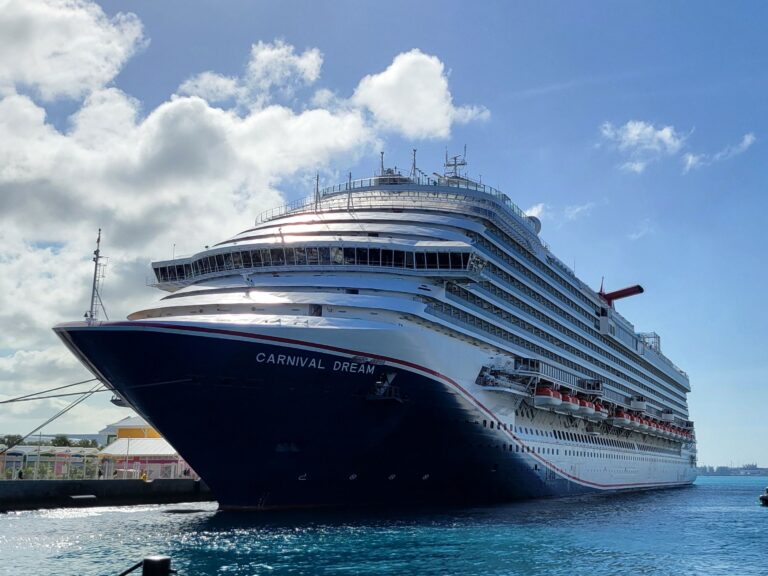
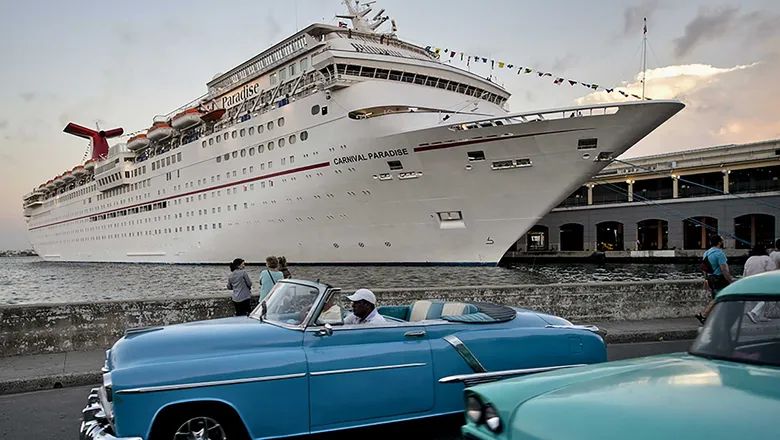
Carnival Corporation, Royal Caribbean, Norwegian Cruise Line Holdings, and MSC Cruises are all named in the litigation — four companies that collectively brought nearly one million passengers to Cuba between 2016 and 2019 during a brief window of permitted travel under the Obama administration.
What the Ruling Actually Says
The Supreme Court did not order the cruise lines to write a check. What it did was considerably more significant in the long run — it determined that the lawsuit can proceed, clearing the legal path for Havana Docks Corporation to pursue the hundreds of millions of dollars in damages that a federal court in Miami had previously awarded before an appeals court intervened.
Justice Clarence Thomas, writing for the eight-justice majority, concluded that the cruise lines used confiscated property to which Havana Docks Corporation holds a legitimate ownership claim. That finding is the cornerstone on which the entire case rests.
Justice Elena Kagan wrote the lone dissent, arguing that her colleagues had misread the relevant statute. In her view, what Havana Docks owned was only a time-limited right to use the docks — not the property itself — and the majority’s interpretation would allow plaintiffs to recover for property that was never truly theirs.
The legal arguments will continue at the lower court level as all available appeals options are explored. But the momentum has shifted decisively, and the cruise lines now face a renewed and legally validated fight they had previously believed was behind them.
A Timeline That Spans More Than a Century
To understand how four major cruise companies ended up facing a $440 million lawsuit over a Cuban dock, it helps to walk through the full history of the dispute.
In 1905, Havana Docks Corporation signed a 99-year lease on the cruise terminal property in Havana and built the docks. In 1959, Fidel Castro’s revolutionary government seized control of the property following the Cuban Revolution — a confiscation that was never compensated. In 1996, the US Congress passed the Helms-Burton Act, a law specifically designed to allow American citizens and companies to sue foreign entities and businesses that profited from property confiscated by the Cuban government.
The lease between Havana Docks Corporation and Cuba expired in 2004, still under the communist regime. Then, in 2016, President Obama reopened limited travel between the US and Cuba, and cruise lines seized the opportunity — operating sailings to Havana as legally permitted “people-to-people” cultural exchanges. In 2019, President Trump reversed that policy, activating the Helms-Burton Act and halting all cruise visits to Cuba.
In 2022, a federal judge in Miami ruled that the cruise lines had engaged in “trafficking” under the Helms-Burton Act by using the seized property, and awarded Havana Docks more than $400 million in combined damages. In 2024, an appeals court overturned that ruling, finding that the lease expiration in 2004 meant Havana Docks had no remaining legal interest in the property at the time the cruise lines visited. Last week, the Supreme Court reversed that reversal — and the case is live again.
Were the Cruise Lines Actually Doing Anything Wrong?
This is the question at the heart of the dispute, and the answer is genuinely complicated.
At the time cruise ships were visiting Cuba, those visits were completely legal. The Obama administration had specifically authorized people-to-people travel, and the cruise lines were operating within the permissions granted to them. None of the companies were acting in defiance of US law.
What the Helms-Burton Act does, however, is create liability for the use of confiscated property regardless of whether that use was otherwise lawful. The act was designed precisely to impose costs on entities that benefited from Cuba’s post-revolution property seizures — and the Supreme Court has now confirmed that its reach extends to the cruise industry’s brief Cuban chapter.
Whether that outcome is just or an overreach of the statute’s intended scope is now a debate being had at the highest levels of American jurisprudence, with eight justices on one side and Justice Kagan on the other.
What Happens Next
The case returns to the lower courts, where the cruise lines are expected to continue fighting. The legal process could take years to fully resolve, and the final amounts owed — if the cruise lines are ultimately found liable — will be determined through further proceedings.
In the meantime, none of the four companies face immediate payment obligations. But the financial risk is real, the legal momentum has shifted, and the ruling lands at a particularly charged moment — just one day after the US announced murder charges against former Cuban leader Raúl Castro related to the 1996 downing of planes flown by Miami-based Cuban exiles.
Cruise travel to Cuba remains entirely prohibited. The US State Department currently lists Cuba at a Level 2 travel advisory, citing concerns about crime and infrastructure. Whatever the outcome of this legal battle, a return of cruise ships to Havana is not on the horizon.
For Carnival, Royal Caribbean, Norwegian, and MSC — four companies that have navigated no shortage of challenges in recent years — the Cuba case just moved back to the top of the agenda. 🚢⚖️