Turkey Bans LGBTQ+ Cruise Ship Carrying 2,000 Passengers From Docking
A cruise ship carrying nearly 2,000 LGBTQ+ travelers — and Broadway star Patti LuPone — has been banned from docking in Turkey after local authorities declared the group’s presence incompatible with the country’s “moral values.” It is the first time in 36 years of operation that the organizer has been told it cannot bring its passengers ashore because of who they are.
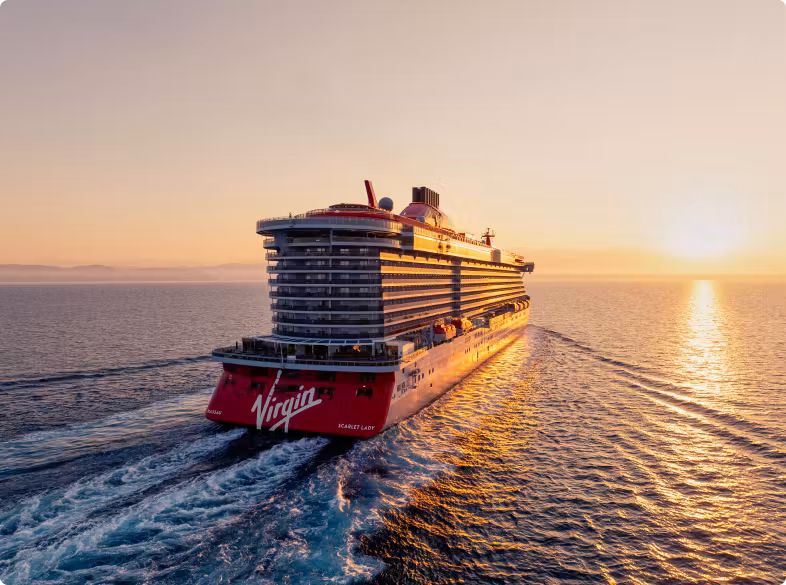
The Scarlet Lady, a Virgin Voyages vessel chartered by US-based LGBTQ+ travel company Atlantis Events, set sail from Athens on July 5 on a 10-day Mediterranean voyage billed as an “epic all-gay adventure.” The ship was scheduled to dock at the Turkish port town of Kuşadası on July 7, followed by two days in Istanbul. Both stops have now been cancelled by Turkish authorities.
What Turkey Said
Officials in Turkey’s Aydin province, where Kuşadası is located, published a formal statement declaring the cruise’s arrival cancelled. The group aboard had been “chartered by organizations known for behaviors that do not align with the structure of our society and our moral values,” the statement read. The ship’s arrival had “sparked significant public concern,” authorities added, and there was “absolutely no possibility” of the group visiting the province.
Istanbul authorities separately confirmed they would not permit the ship to dock there either, with police raiding a bar in the city after discovering an Atlantis brochure listed a party at the establishment. Atlantis Events has stated the brochure was neither produced by nor affiliated with their organization.
Turkey’s Ministry of Culture and Tourism has not publicly commented on the matter.
Thirty-Six Years — Then This
For Rich Campbell, the president and CEO of Atlantis Events, the shock of the decision was compounded by its unprecedented nature. The company has been organizing LGBTQ+ cruises and vacations for 36 years and has docked in both Kuşadası and Istanbul 13 times over the past 25 years without incident.
“It’s pretty stunning, to be honest,” Campbell told CNN. “The reasoning behind it is that it’s a gay group. It’s very concerning to me when a country decides they can pick and choose which tourists are allowed in and which are not.”
Despite extensive engagement with the US Embassy in Turkey in the days following the initial notification, Campbell confirmed that diplomatic efforts to reverse the decision were unsuccessful.
“When we pull into port, the ship looks like any other ship,” Campbell told USA Today. “We’re not a pride rally, we’re not a march, we’re not an organization, we’re not a political statement in any way. The cruise was advertised a year ago. It’s not new.”
Approximately 1,100 of the nearly 2,000 passengers aboard are American nationals. The remaining travelers are primarily from the United Kingdom, Canada, and Australia.
Patti LuPone Responds
The ban drew additional attention when it emerged that 77-year-old Tony Award-winning Broadway star Patti LuPone is performing aboard the Scarlet Lady during the voyage.
LuPone shared her reaction on Instagram.
“The Atlantis cruise I am performing on next week has been banned from entering Turkey,” she wrote. “A ship — a magnificent ship — full of gay men. And me. Denied entry to Turkey simply because of who is on board.”
“I am furious, but I am sailing, as the ship will make other ports of call. I am ready to perform for all the wonderful men on this Atlantis cruise, who deserve so much better than this.”
The Rerouted Itinerary
Rather than cancel the voyage entirely, Atlantis Events has adjusted the itinerary to replace the two Turkish stops. The Scarlet Lady will now call at Cairo, Egypt, and the Greek island of Crete in place of Kuşadası and Istanbul. The remainder of the Mediterranean itinerary — including stops in the Greek Isles and Croatia — remains unchanged.
One passenger, a journalist who covers LGBTQ+ issues, told CNN from Athens that he had sailed Atlantis cruises to Turkey previously without incident. “There’s never been a problem, none at all,” he said, “but suddenly they have a problem. We are just a group of people who are touring the world and trying to see everything we can.”
He also noted that vendors and businesses in Kuşadası and Istanbul will miss out on revenue from nearly 2,000 visiting tourists as a result of the decision.
Turkey’s Position on LGBTQ+ Issues
The decision fits within a broader pattern of Turkish government policy. Istanbul’s annual Pride march has been banned every year since 2015, with authorities citing public safety concerns. President Recep Tayyip Erdoğan and his ruling AK Party have adopted increasingly conservative rhetoric toward LGBTQ+ issues over the past decade, a stance that has drawn criticism from international rights organizations.
Homosexuality is not criminalized under Turkish law, but legal protections against discrimination do not extend to LGBTQ+ people.
The ban also echoes a similar incident from 2000, when Turkish police prevented more than 800 gay tourists on a cruise from entering Kuşadası and visiting nearby ancient ruins. The tourism minister at the time apologized, stating that Turkey “cannot discriminate according to people’s sexual preference.”
What This Means for Travel
Campbell’s concern extends beyond the disruption to this particular itinerary. The question of whether governments can selectively exclude tourists based on identity has broader implications for international travel planning.
“If your business is tourism, you cannot pick and choose who your guests are going to be,” Campbell said, “because the minute you do that, you instill fear in people who might belong to that group.”
For the nearly 2,000 people aboard the Scarlet Lady, the voyage continues with an adjusted itinerary. The ship is expected to arrive in Cairo before continuing on to Crete and the remaining Mediterranean ports of call.
And Patti LuPone is still performing.