A Passenger Died Aboard a Luxury Cruise Ship During an Ireland Port Call
A passenger traveling aboard one of Regent Seven Seas Cruises’ most storied vessels has died during a scenic voyage through the North Atlantic, with local Irish authorities coordinating the response before the ship continued on its way.
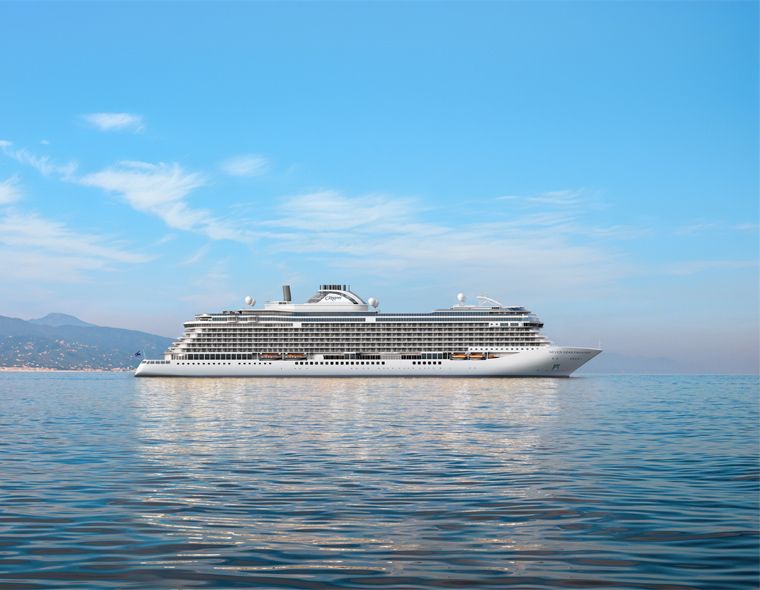
The death occurred aboard Seven Seas Voyager on August 28, 2026, as the ship made its way through the waters off County Donegal on Ireland’s northwestern coast. The vessel had been anchored near the small fishing village of Greencastle at the time, midway through a 12-night sailing that had originated in Reykjavik, Iceland eight days earlier.
How Events Unfolded
Once the death was confirmed aboard the ship, the vessel’s agent coordinated with local port authorities to bring the passenger ashore at Greencastle. A journey of roughly 39 miles then followed — by road, across the rugged Donegal landscape — to Letterkenny University Hospital, where the deceased was received.
Irish port and police authorities moved efficiently and without public incident. The Gardaí — Ireland’s national police service — characterized the situation as a medical matter from the outset and confirmed there are no grounds for a criminal investigation. The passenger’s identity and the precise circumstances of their death have not been made public.
The ship itself was not detained. Having completed what needed to be done at Greencastle, Seven Seas Voyager continued north and east through waters the itinerary had always planned for — Belfast first, then Cobh on Ireland’s southern coast, before the final leg back to Southampton in England, where the voyage concluded on September 1 as scheduled.
A Ship That Kept Sailing
Seven Seas Voyager departed Southampton again on the same day the Viking Vistas voyage ended, embarking on a 10-night Northern European sailing toward Copenhagen. That journey takes the vessel through some of the most dramatically beautiful waters in the world — Rotterdam, Kristiansand, Oslo, Lysekil, Aarhus, and Kiel before the Danish capital receives her on September 11.
One adjustment was made to that sailing — not connected to the events in Donegal. A planned stop at the Belgian port of Zeebrugge was dropped to allow time for shore power testing in Southampton, a technical requirement that had been scheduled independently of anything that happened aboard the previous cruise.
The Ship Herself
Seven Seas Voyager has been sailing since 2003, making her the third most senior vessel in Regent’s current lineup of six ships. She spent part of 2026 in a shipyard undergoing a significant overhaul — new finishes in the public spaces, upgraded suite appointments, and thoroughly redesigned bathrooms throughout. The result is a ship that feels considerably more contemporary than her age alone might suggest.
Her program spans a wide geography — the Mediterranean in warmer months, Northern Europe through summer and autumn, extended Grand Voyages that can stretch beyond seven weeks for passengers looking to see the world at a measured, immersive pace.
What’s Next for Regent
Seven Seas Voyager will eventually be joined by newer company. Regent Seven Seas Cruises’ next ship — Seven Seas Prestige — is set to arrive in December 2026, launching with a 14-night transatlantic crossing from Barcelona to Miami. The 77,000-gross-ton vessel represents a new chapter for the brand in terms of scale and amenity.
Three further ships of the same class have been ordered from Italian shipbuilder Fincantieri, with the first of those not expected until 2030. The full build-out will unfold across the following six years, giving Regent a meaningfully larger footprint in the ultra-luxury cruise segment by the middle of the next decade.
Our thoughts are with the family and loved ones of the passenger who passed away.