Cruise Ship Captain Salary: The Real Numbers Behind the Job
Ever dream of being the one steering a massive cruise ship across the open sea? Picture it—commanding the bridge, exploring the world, and earning a top salary while you’re at it.
But how much do cruise ship captains really make? And what does it take to actually become one? From long days at sea to years of training, let’s dive into what this high-ranking role is really all about.
Cruise Captain

How Much Does A Cruise Captain Make?
Cruise ship captains earn a good salary because their job comes with lots of responsibilities. A cruise ship captain can earn anywhere from around $100,000 to over $400,000 per year, when you factor in bonuses.
But their exact salary depends on a few different things, like their experience, the size of the ship, and the company they work for.
Captains with many years of experience earn more because they have proven they can handle tough situations and keep passengers safe.
If a captain works on a bigger cruise ship with more passengers, they’ll also usually get paid more, because managing larger ships means more responsibility.
Salaries vary between cruise lines. Plus, some cruise lines pay better than others to attract the best captains in the business.
For example, captains working for major cruise lines like Royal Caribbean and Carnival typically earn between $150,000 and $200,000 per year.
There’s a big range depending on experience and ship size. Where a captain lives or works also affects how much money they make.
In the United States, captains average around $140,000 per year, though top earners on the largest ships can bring home $160,000 or more.
Other European countries like Germany, Italy, and France pay around $80,000 annually. In places like Asia or South America, cruise ship captains often earn lower salaries because the cost of living is generally lower there.
Besides their regular salary, captains often receive extra bonuses and perks. They may get performance bonuses, yearly bonuses, or profit-sharing incentives.
These bonuses reward captains for doing a great job and help keep them with the same company for longer periods.
Cruise ship captains also enjoy special perks. They receive free meals and comfortable accommodations on the ship.
Many cruise lines allow captains to have their families stay onboard for free, letting them spend quality time together even while working. These benefits help make the demanding job of being a captain more rewarding.
What Does a Cruise Ship Captain Do?
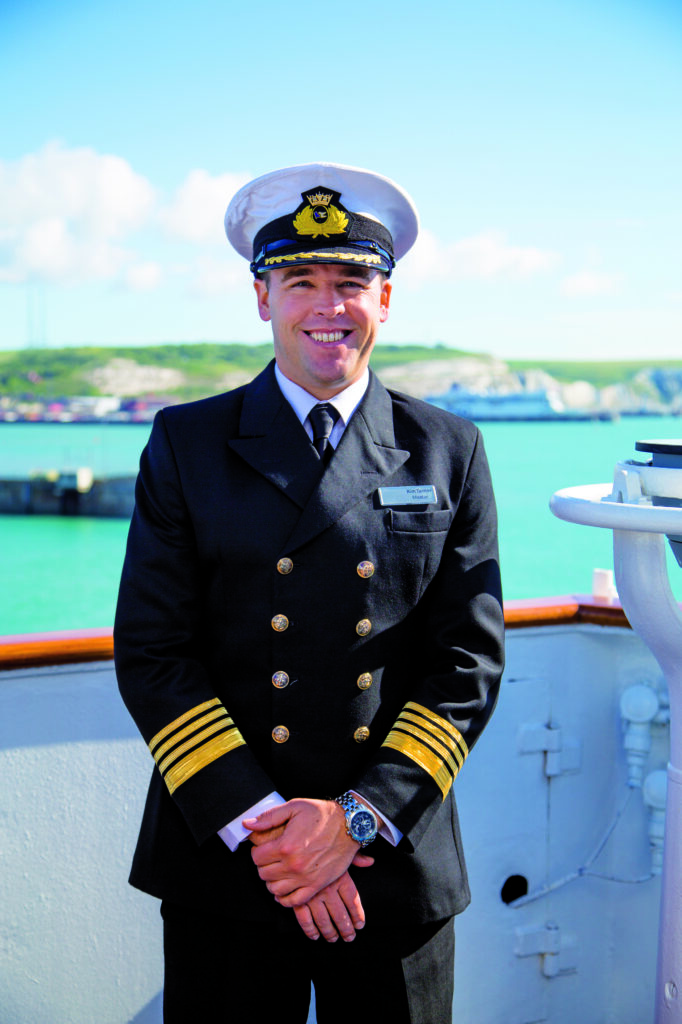
As the captain of a cruise ship, the main responsibility is to make sure that everything runs smoothly, safely, and on time. The captain is in charge of the entire ship, carrying a significant amount of responsibility.
One of the key duties that most are aware of is navigation and safety.
The captain is responsible for keeping the ship on course, using tools such as GPS, radar, and maps to track the ship’s position.
They must make sure the ship is sailing safely, avoiding obstacles, and keeping passengers and crew out of harm’s way. Close attention to the weather and sea conditions is necessary to keep everything safe.
Emergencies can happen at any time, and the captain must be ready to handle them at a moments notice.
Whether it’s a man overboard situation, a medical emergency, or an issue with the ship’s equipment, the captain must stay calm and guide the crew through the crisis.
Quick decision-making is essential to protecting everyone on board and resolving the situation as quickly as possible.
The captain’s ability to stay composed under pressure plays a critical role in ensuring the safety of passengers and managing the emergency effectively.
Another major responsibility of the captain is crew management. On large cruise ships, the crew can consist of hundreds of individuals, and the captain must ensure they work well together.
From the officers on the bridge to the waitstaff in the dining rooms, the captain’s leadership keeps the ship operating smoothly.
The captain is in charge of making sure the crew follows safety procedures and maintains high standards of performance throughout the voyage.
In addition to their many duties, the captain also interacts with passengers during social events.
The captain often attends events such as captain’s dinners and cocktail parties, offering a chance to meet passengers, engage in conversation, and provide a memorable experience.
These interactions help build a connection with passengers and contribute to their overall enjoyment of the cruise.
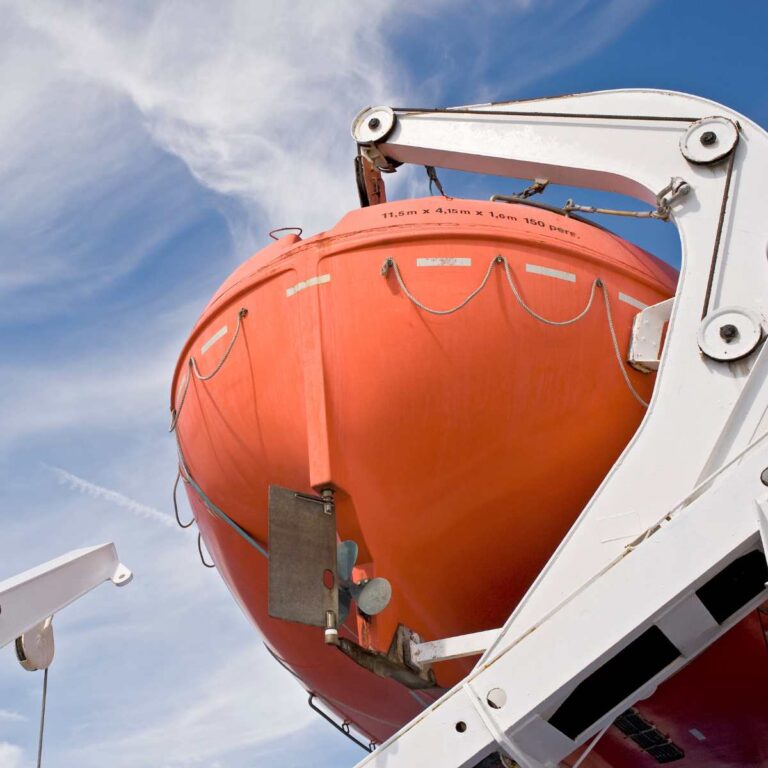
On top of all this, the captain oversees the maintenance of the ship, making sure it stays in top condition. This includes checking that all equipment, from engines to life-saving gear, is functioning properly.
If issues arise, it’s the captain’s responsibility to take charge of fixing the problem or coordinating repairs.
Maintaining the ship’s condition is crucial for the safety of everyone on board and for the smooth operation of the cruise.
This is all to say that a cruise captain has A LOT of responsibilities.

What’s It Like Being A Cruise Captain?
Being a cruise ship captain isn’t your average 9-to-5 job. Captains usually work between 12 to 16 hours a day while they’re on board.
Their contracts often last up to three months at a time, meaning they live and work on the ship without any days off during that period.
Even when they aren’t actively on duty, they’re always on call in case something goes wrong. Once their contract ends, captains usually get several weeks or even months off to rest before starting another rotation.
The job comes with a lot of challenges. Captains carry the full weight of responsibility for everyone on board. They make important decisions every day that affect the safety of the ship, the crew, and the passengers.
The hours are long, and the pressure can be intense—especially during emergencies or difficult situations at sea.
On top of that, spending long stretches away from family and home life can be hard. While the job has many rewards, it also requires strong dedication and the ability to handle a demanding lifestyle.
Perks of Being A Captain
Cruise ship captains get more than just a good salary—they also enjoy some great perks while working at sea. One of the biggest benefits is their living space. Captains stay in spacious private quarters, usually in a suite located near the bridge.
These rooms are much nicer than regular crew cabins and often include several rooms, a large bed, a desk, a TV, and even a small kitchen area. It’s a comfortable space where they can relax after long workdays.
When it comes to food, captains have access to some of the best meals on the ship. They can choose from the same high-quality menus offered to guests and often dine in the ship’s restaurants instead of the crew mess.
This adds a nice touch of luxury to their daily routine.
Another special perk is that family members are often allowed to join the captain on board during their contract. There’s usually no extra cost for this, and it helps captains stay close to loved ones while they’re away from home.
While the captain still has to work full days, having family nearby—even just for part of the contract—can make a big difference.
Lastly, cruise captains get to travel the world as part of their job.
They visit beautiful destinations, experience new cultures, and wake up in a different port almost every day. It’s a unique lifestyle that offers adventure and memories most people only dream about.
Qualifications Needed To Become A Cruise Ship Captain
Becoming a cruise ship captain takes a lot of time, training, and experience. You can’t just apply for the job—you have to work your way up, starting from the bottom and slowly earning your way to the top.
Most cruise ship captains begin their careers by studying nautical science or maritime studies at a maritime academy or university.
This usually means earning a bachelor’s degree, which takes about four years. During this time, they learn important topics like navigation, safety rules, ship operations, and maritime laws.
After finishing school, future captains need to spend many years working on ships.
They usually start as a deck cadet or junior officer and slowly move up to higher ranks, like second officer, first officer, and chief officer.
Each step requires more training and sea time. It often takes 15 to 20 years of hard work and experience before someone is ready to become a captain.
In addition to education and experience, captains must also earn special licenses and certifications. These are required by maritime laws and prove that the person is qualified to lead a ship.
Captains must also stay updated on safety procedures, new technology, and emergency training throughout their careers.
It’s a long journey, but for those who love the sea and dream of leading a ship, the reward of becoming a cruise ship captain is worth the time and effort.
All in all…
Cruise ship captains earn a solid salary, but it takes years of hard work and dedication to get there.
While the job comes with big responsibilities and long hours, it also includes perks like free room and board, which helps reduce everyday expenses.
In some cases, captains may even qualify for special tax breaks, making their take-home pay go even further.
For those who are passionate about the sea and ready for a long-term commitment, becoming a cruise ship captain can be a rewarding career—both financially and personally. Just know it’s not a quick journey, so the best time to start is now.