11 Things That Are No Longer Free on Cruises (And What It Means for You)
I still remember the first time I stepped onto a cruise ship as an adult. I told my friends, “This is it. We paid once and now everything is covered.” I really believed that. We were high-fiving about unlimited food, random soft serve cones at midnight, and soaking in the sauna after port days like we owned the place. It felt like we hacked vacation.
Cruises still offer value. But they are not the all-inclusive escape many people remember.
What’s changed didn’t happen overnight. There wasn’t some big announcement that said, “Hey, we’re charging for more stuff now.” Instead, things shifted little by little. A small fee here. A perk moved behind a paywall there. A once-free space suddenly labeled “premium.” You don’t always notice it until you’re onboard and staring at your account summary thinking, wait… when did that cost extra?
This isn’t a rant. Cruises are still one of my favorite ways to travel. It just means you have to plan smarter now. If you know what’s free and what isn’t, you can still have an amazing trip. You just won’t be caught off guard.
And to be fair, not every cruise line has cut the same things. Some still include a few of these perks, especially at higher price points. So we’re not painting with a huge brush here. But the general trend is hard to ignore.
Let’s start with one of the quietest changes that longtime cruisers have definitely noticed…
Things That Are No Longer Free on Cruises

Spa Thermal Areas and Saunas
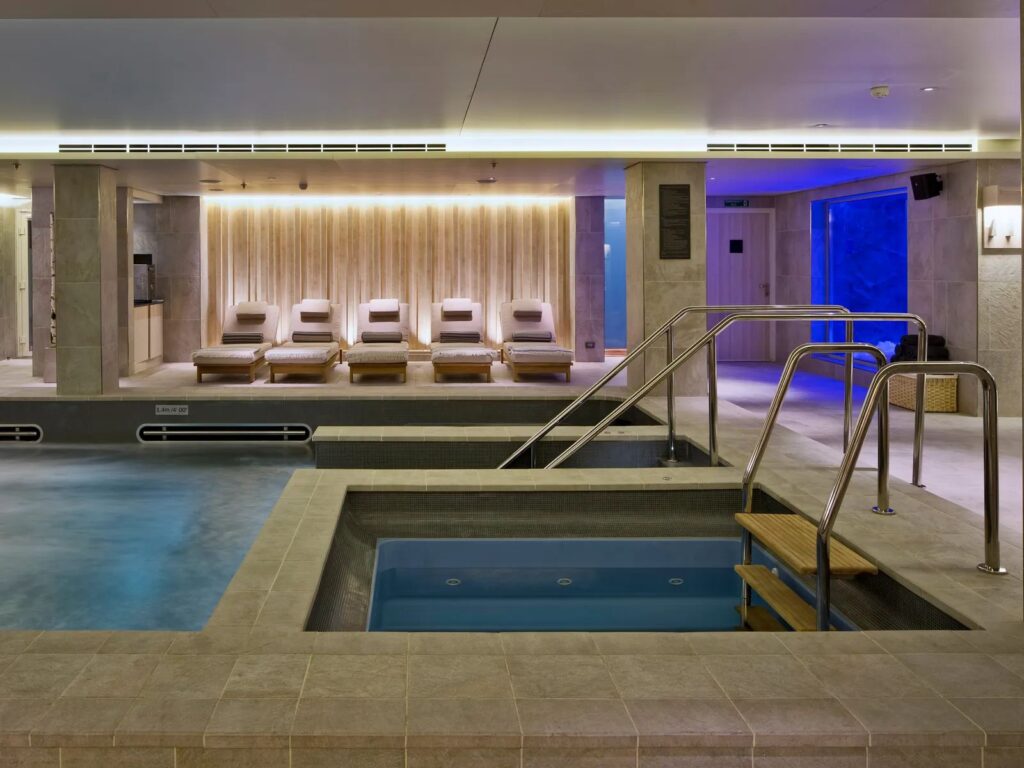
There was a time when finishing a workout and heading straight into the sauna felt normal. It was just part of the ship. You’d hit the treadmill, maybe pretend to lift weights for 15 minutes, then reward yourself with a steam session. No wristband. No extra charge. No sign-up sheet.
That setup is mostly gone.
On many newer ships, saunas and steam rooms now live inside something called a thermal suite. And thermal suites are not free. You usually need to buy a day pass or a pass for the entire cruise. Prices can add up fast, especially on longer sailings.
The gym itself is still complimentary. You can run, lift, stretch, whatever. But if you want heated loungers, aromatherapy steam rooms, snow grottos, or those quiet relaxation spaces with ocean views, that’s considered a luxury add-on now.
Cruise lines position these areas as upscale wellness experiences. And to be fair, some of them are beautiful. Way nicer than the old basic saunas tucked near the locker rooms. But the shift is clear. Relaxation used to feel included. Now it feels upgraded.
If spa time matters to you, it’s worth pricing it out before you sail. Sometimes buying a pass on embarkation day is cheaper. Sometimes it’s better to skip it and use that money on a shore excursion instead.
It’s not that the sauna disappeared. It just moved behind a door with a price tag.
Lobster Night Comes With Rules Now
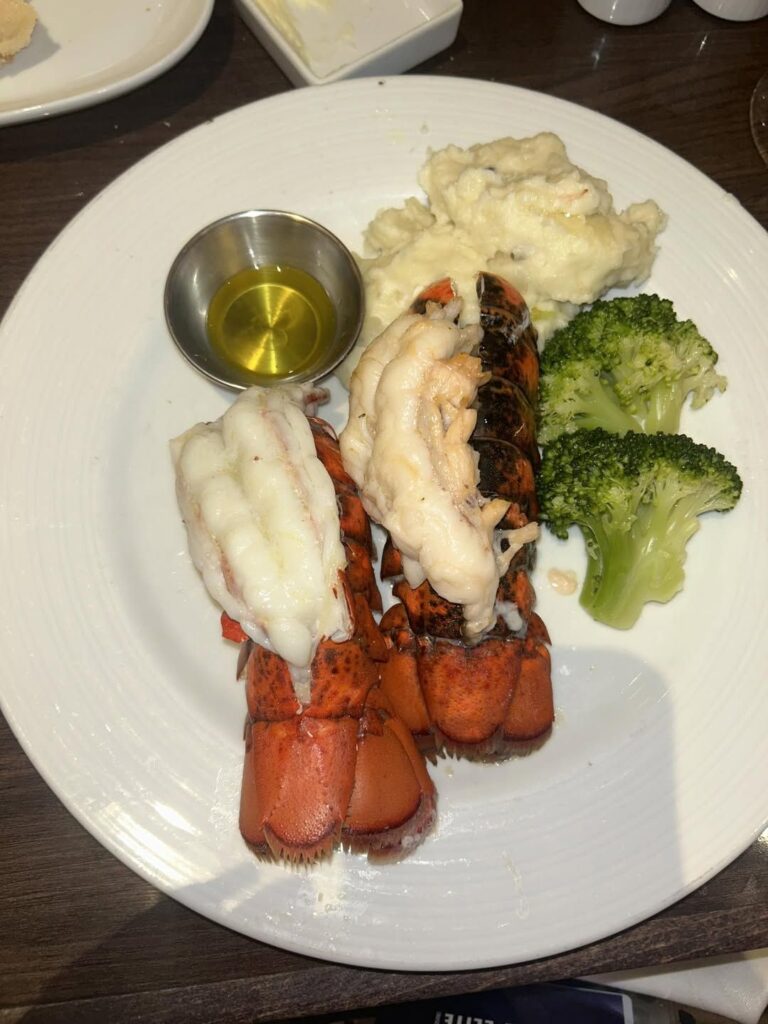
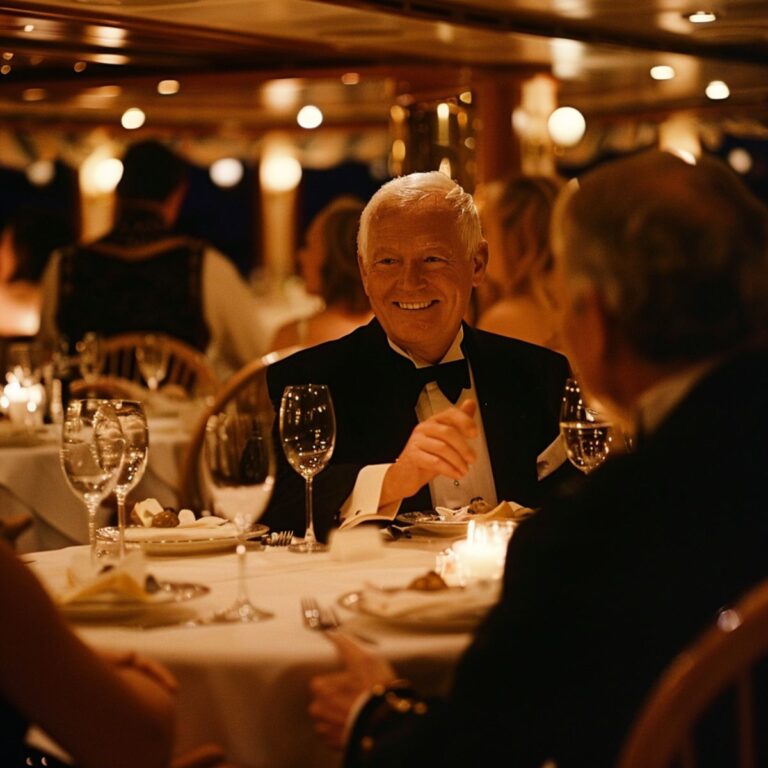
There used to be this unspoken tradition on cruises. You’d circle “formal night” in the daily planner and whisper to your table, “It’s lobster night.” Even people who never order lobster at home suddenly became seafood experts. And yes, some of us ordered two tails like it was our job.
That vibe has changed.
On many ships, lobster is now offered just one night. And sometimes not at all, depending on the itinerary. If it is on the menu, you’re often limited to one serving. Want a second tail? That might cost extra. I’ve actually seen people look personally offended when the waiter explains it.
Some cruise lines have moved lobster into specialty restaurants entirely. So instead of being part of the main dining room experience, it becomes something you pay a cover charge for. It’s still there. It just isn’t the free-for-all it used to be.
I get it. Seafood is expensive. Food costs are up everywhere. But lobster night used to feel like this shared moment. Everyone dressed up, everyone excited, everyone comparing butter strategy. Now it feels more structured. Still good. Just… monitored.
If lobster is your thing, check the menus ahead of time if you can. And if it’s important, maybe budget for a specialty dinner instead of assuming it’s included.
Room Service Isn’t Really Free Anymore

Room service used to feel like a cheat code. Late-night cookies? Club sandwich at 2 pm because you didn’t want to change out of your swimsuit? Done. You’d tip a few dollars and call it a day.
Now, most cruise lines charge a flat delivery fee per order. It might be five dollars. It might be more. But it’s there. And on top of that, automatic gratuities are usually added. So that “quick snack” suddenly isn’t so quick on your onboard account.
Breakfast is often the only exception. Many ships still offer complimentary continental breakfast delivery. Coffee, pastries, maybe some fruit. But anything beyond that, especially hot items, can come with a fee.
Late-night orders are where it really shows. Some lines charge more after certain hours. Others cut back the menu completely. The days of ordering half the menu just because you could are mostly gone.
None of this ruins a cruise. It just means that convenience has a price now. If you love eating on your balcony in a robe, build it into your budget. If not, the buffet is still waiting for you.
Twice-Daily Cabin Service Is Mostly Gone

There was something weirdly comforting about coming back to your cabin and finding it reset. Bed tight again. Towels folded. Trash gone. Then later that night, you’d return from dinner and the lights were softer, the curtains drawn, sometimes a towel animal staring at you like it paid for the room.
That little hotel magic has been scaled back.
On most mainstream cruise lines, once-daily service is now the norm. Your cabin steward still does a great job. But the automatic evening turndown? That’s often by request only. Some lines will happily do it if you ask. Others reserve it for higher-tier cabins.
Suites still get the full treatment. Twice a day. Extra touches. Sometimes even those chocolates people miss. But for standard cabins, the rhythm has changed.
Cruise lines say this is about sustainability. Fewer towel swaps. Less laundry. Lower energy use. And that’s part of it. But let’s be honest, staffing pressure plays a role too. Fewer crew doing more cabins means something had to give.
It’s not bad service. It just feels different. If you love that nightly reset, don’t be shy about asking. Most stewards will accommodate when they can. Just know it’s no longer automatic.
Coffee and Drinks Feel Harder to Avoid Now
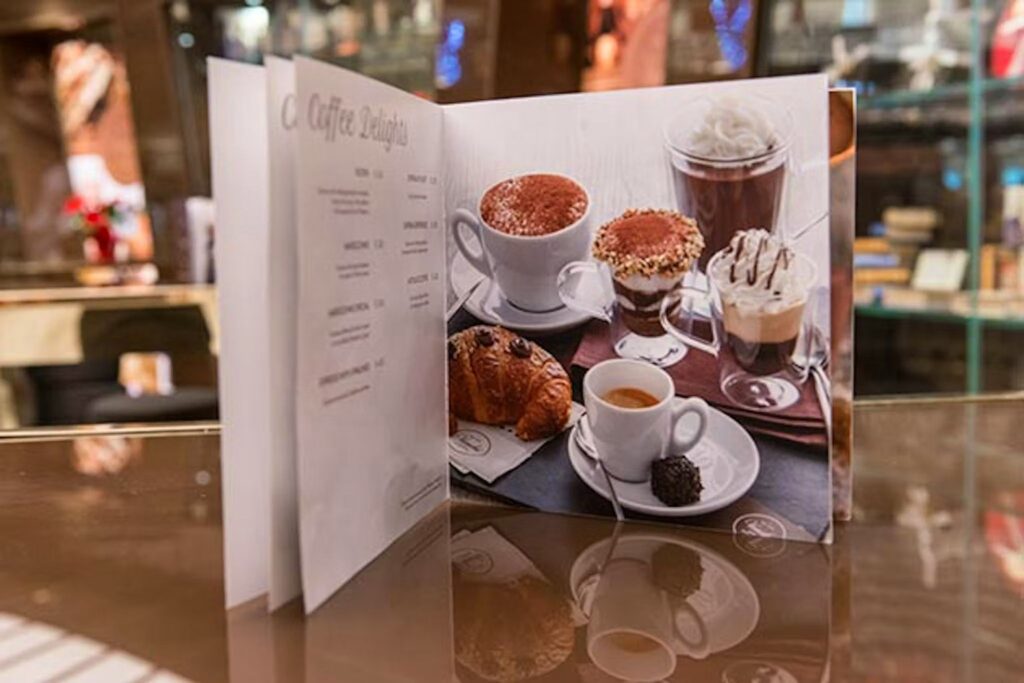
Basic coffee is still free. You can grab a cup from the buffet or main dining room without thinking twice. That hasn’t changed.
What has changed is how much the paid options are woven into the cruise experience.
Years ago, specialty coffee counters were smaller and easier to ignore. Now many ships have full café setups with branded menus, seasonal drinks, cold brew taps, and long lines every morning. Espresso drinks cost extra, soda still requires a package, and bottled water is almost always charged.
None of this is brand new. But it feels more front and center than it used to. If you’re someone who starts every day with a double shot latte or grabs soda throughout the afternoon, the add-ons can sneak up on you.
The basics are still included. The upgrades are just a lot more tempting.
Fewer Free Fitness Classes, More Paid Ones
The gym has always been free. You can run, lift, stretch, and pretend yesterday’s dessert didn’t happen. That part isn’t going anywhere.
But years ago, it wasn’t unusual to see a few more complimentary group classes mixed into the schedule. A morning stretch, maybe a basic aerobics session. Now, most structured classes are priced separately.
Yoga at sunrise? Paid. Pilates? Paid. Spin classes with dramatic lighting and loud playlists? Definitely paid. Many ships charge per session, and the pricing feels closer to a boutique studio on land.
There might still be the occasional free intro class. But the overall direction is clear. Guided wellness is treated like a premium experience now.
If staying active matters to you, check the schedule early. You might decide it’s worth it. Or you might realize walking the length of the ship ten times a day counts as cardio. Which honestly, it does.
Specialty Dining Used to Feel Optional. Now It’s Everywhere.
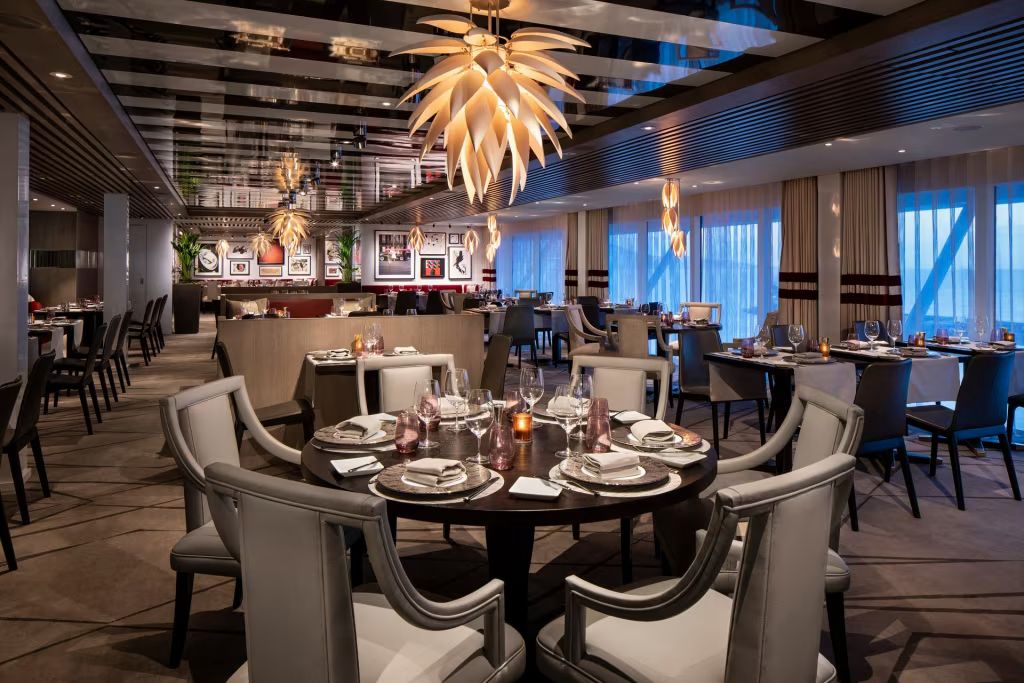
Specialty restaurants have carried cover charges for a long time. Steakhouses, teppanyaki grills, chef’s tables. Paying extra for a more intimate meal isn’t new.
What has changed is how central they feel.
Older ships might have had one or two specialty venues tucked away. Now it’s common to see multiple themed restaurants, chef collaborations, and high-end tasting experiences all competing for your attention. At the same time, main dining room menus on some lines have become more streamlined.
The result is that specialty dining doesn’t just feel like a bonus anymore. It feels like part of the core experience.
Cruise lines heavily promote dining packages, bundling several paid meals at a discount. If you plan to try more than one, the math can work. But it’s no longer something you casually stumble into. It’s part of the revenue plan.
You can absolutely stick with included dining and eat well. Just know that the “wow” factor is often placed behind a cover charge now.
Port Shuttles Are Not Always Free
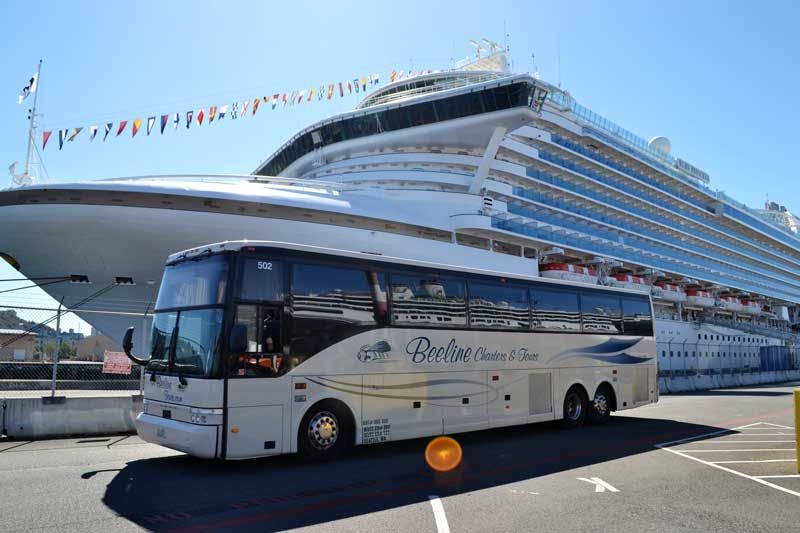
There was a time when if your ship docked in the middle of nowhere, you didn’t worry. A shuttle would take you into town. Simple. You’d step off the ship, hop on a bus, and ten minutes later you were wandering through shops.
Now, that shuttle might cost you.
Many cruise lines list port transfers as paid services. It could be a small fee per person, but it adds up for families. And it’s not always obvious until you’re onboard reading the fine print.
It also varies a lot by port. In parts of Europe, local regulations sometimes require complimentary transport for safety reasons. In the Caribbean, you’re more likely to see per-person charges if the pier is far from the main town.
The tricky part is you can’t assume anything. Two similar itineraries might handle it completely differently.
Before you sail, check how far the port is from the actual city center. Sometimes it’s walkable. Sometimes you’ll need a taxi anyway. Planning ahead saves you from standing on the pier feeling confused and slightly annoyed.
Private Island Drink Packages Don’t Always Follow You Ashore
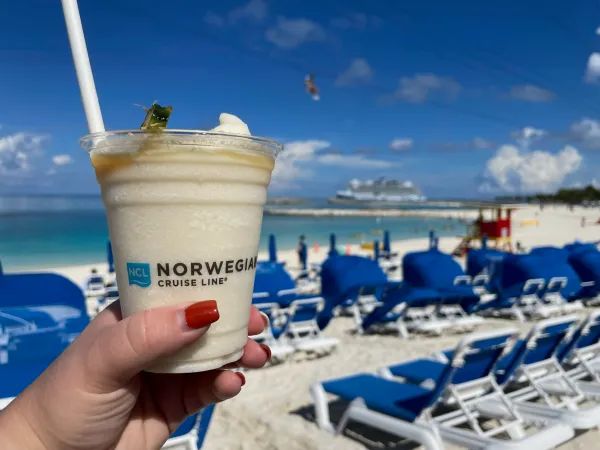
For years, cruise line private islands felt like an extension of the ship. If you had a drink package onboard, it usually worked on the island too. You could grab a frozen cocktail and not think twice about it.
Recently, that has started to change on some lines.
Certain cruise lines have removed drink package benefits at their private destinations, meaning guests either pay per drink or purchase a separate island package. It’s not universal, but it’s happening enough that it’s worth checking before you sail.
The island still belongs to the cruise line. You’re still on their itinerary. But financially, it’s sometimes treated as its own spending zone.
It doesn’t ruin the beach day. It just changes expectations. If unlimited margaritas are part of your mental picture, make sure they’re actually included once your feet hit the sand.
The Printed Daily Planner Is Mostly Gone
There was something satisfying about coming back to your cabin at night and finding the next day’s schedule waiting on the bed. You’d flip through it, circle what looked interesting, maybe argue about showtimes.
Now, most cruise lines have moved that schedule to their app.
If you want a printed copy, you often have to request it. Some ships don’t automatically deliver paper versions at all. The idea is that it reduces waste and printing costs, which makes sense on paper. No pun intended.
But it also changes the rhythm of the cruise. Instead of unplugging and scanning a sheet in your room, you’re checking your phone. Scrolling. Tapping. Refreshing.
For some people, that’s fine. For others, it’s one more reminder that even vacation is tied to a screen.
If you prefer paper, ask your cabin steward on day one. Many ships still have copies available. You just have to speak up now.
Midnight Buffets Are Basically a Memory Now

If you cruised years ago, you probably remember the midnight buffet. Giant fruit carvings. Towers of desserts. Ice sculptures that looked like they took five hours to make. People wandering around in slightly wrinkled formalwear piling cheesecake onto tiny plates.
That scene is mostly gone.
Late-night food still exists, but it’s simpler. Maybe pizza by the slice. A small café with sandwiches. Limited buffet items. Room service for a fee. The over-the-top spreads with dramatic displays are rare now.
Cruise lines point to food waste and labor as the main reasons. And honestly, it’s hard to argue with that. Those buffets looked amazing, but a lot of food probably went straight into the trash. Setting it up required extra crew working odd hours too.
Still, something about it felt fun. A little chaotic. A little indulgent. Now late-night eating is more practical. You can grab something. It just won’t be a spectacle.
If you’re cruising for the nostalgia of those legendary buffets, adjust expectations. You’ll still find food. Just not the show.
Why Cruise Lines Keep Pulling Back on Some Freebies
None of these changes happened by accident.
Food costs have climbed. Labor costs have climbed. Fuel is expensive. Operating a floating city is not cheap. Cruise lines work on tight margins, and small perks multiplied across thousands of guests add up fast.
There’s also a push toward sustainability. Less laundry. Less printing. Less wasted food. Fewer disposable items. Some of the cutbacks genuinely connect to that.
But there’s another piece too.
Cruise lines want to keep base fares competitive. A low starting price gets attention. It gets bookings. Then once guests are onboard, spending shifts to drinks, specialty dining, spa passes, WiFi, and upgraded experiences.
It’s a different business model than the old-school “everything feels included” vibe.
That doesn’t make cruising bad. It just means the money is structured differently. The entry price looks attractive. The add-ons are where revenue grows.
If you understand that going in, you won’t feel blindsided. You’ll make choices that actually fit how you vacation.
And that’s really the point. Cruises can still be a great deal. You just have to read the fine print and plan like someone who knows how the system works now.
How to Cruise Smart Now
The biggest mistake people make now is assuming cruises work the same way they did ten years ago. They don’t. And that’s okay, as long as you adjust.
First, read what’s actually included before you book. Not just the headline price. Look at what’s covered and what isn’t. Some lines bundle drinks, WiFi, or gratuities into upgraded fares. Others keep the base price lower and charge for almost everything extra.
Next, compare drink and dining packages carefully. Don’t just buy them because everyone else does. Do the math. If you drink two cocktails a day and a latte every morning, maybe it makes sense. If you’re more of a water and iced tea person, it probably doesn’t.
Budget for extras ahead of time. Set aside money for WiFi, specialty coffee, gratuities, maybe one specialty dinner. When you plan for it, it doesn’t feel like you’re being nickel-and-dimed. It just feels like part of the trip.
Also, don’t rely too heavily on loyalty perks. Some programs are changing. Benefits that felt permanent might not stay that way. It’s smart to check what your status actually gets you now instead of assuming.
And finally, focus on what is still included. Main dining room meals. Buffet access. Pools. Shows. Kids’ clubs for older children. Ocean views every single day. There’s still a lot there.
Cruising hasn’t lost its appeal. It’s just asking you to pay attention.
Final Thoughts
Cruises are not worse than they used to be. They’re structured differently.
The big things are still there. The ship. The destinations. The feeling of waking up somewhere new. What’s changed are the small extras that once felt automatic.
When you know what costs extra, you avoid that frustrated moment on the last day when you check your account and think, how did that happen?
A little planning goes a long way. If you go in informed, you can still have an incredible vacation for a price that often beats land resorts.
You just won’t assume everything is free anymore.