Carnival Cruises Are Selling Out Fast in 2026 (And Prices Are Climbing)
Carnival Corporation is kicking off 2026 with serious momentum. Record-breaking revenue, surging bookings, and packed ships are all pointing to one thing: demand for cruises is still booming. But despite all the good news, there’s an unexpected twist investors aren’t ignoring.
Record Revenue and Massive Demand
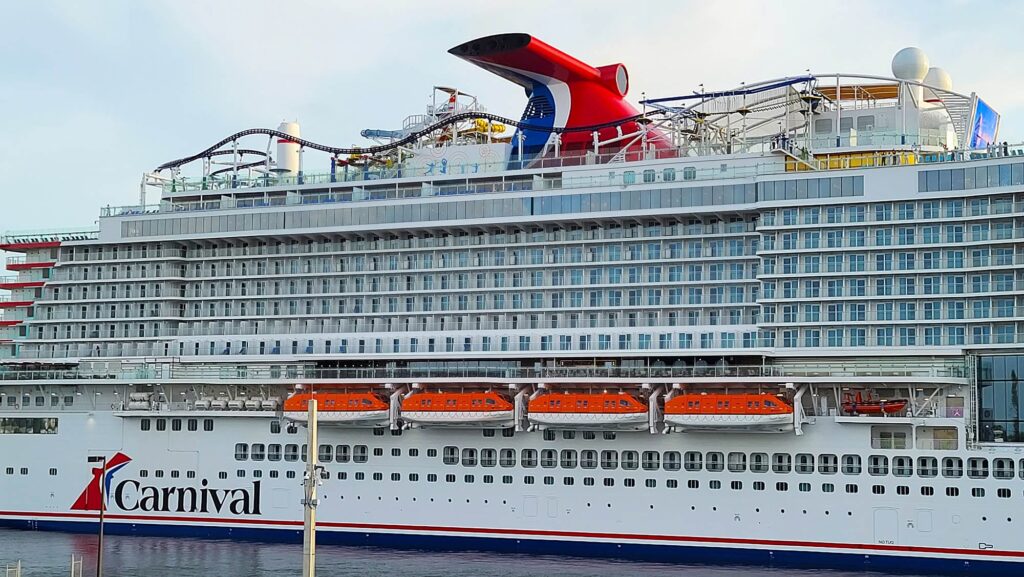
Carnival Corporation reported a standout first quarter for 2026, pulling in $6.2 billion in revenue — the highest ever for this time period. The company also posted net income of $258 million, signaling strong profitability as the year begins.
This performance was fueled by a powerful Wave Season, the peak booking period for cruises, which runs from December through February. According to the company, bookings for 2026 are up by double digits, with demand stretching far beyond this year and into 2028 sailings.
Even more impressive, 85% of all 2026 cruises are already booked, and guest deposits have climbed to nearly $8 billion, marking a roughly 10% increase compared to last year.
Carnival CEO Josh Weinstein described it as the company’s “highest level of bookings ever,” with prices also holding at historically high levels.
Ships Are Sailing Full (and Then Some)
Across Carnival’s portfolio of eight cruise brands — including Carnival Cruise Line, Princess Cruises, Holland America Line, Cunard, Seabourn, Costa Cruises, AIDA Cruises, and P&O Cruises — ships are sailing at an average 103% occupancy rate.
That number might sound confusing at first, but in the cruise world, anything over 100% means ships are filling extra berths, like third and fourth passengers in cabins. In simple terms, ships are not just full — they’re maxed out.
One standout brand has been Holland America Line, which reported a 30% surge in bookings for Europe cruises, with Northern Europe itineraries seeing demand jump as high as 50%.
Earnings Beat Expectations
Carnival didn’t just impress with bookings — it also beat Wall Street expectations.
The company reported adjusted earnings of 20 cents per share, topping analyst estimates of 18 cents. Revenue also exceeded projections, coming in above the expected $6.13 billion.
Strong last-minute bookings played a key role here, showing that travelers are still willing to book cruises even close to departure.
So Why Is the Stock Falling?
Here’s where things get interesting.
Despite all the strong numbers, Carnival’s stock dropped after the announcement. The reason? Fuel prices.
The company cut its full-year earnings outlook, lowering expected earnings per share from $2.48 to $2.21. The downgrade is largely tied to a projected $500+ million impact from rising fuel costs.
Unlike competitors like Royal Caribbean and Norwegian Cruise Line, Carnival does not hedge fuel prices, leaving it more exposed to sudden increases.
And those increases are already happening.
Oil prices have surged following geopolitical tensions, with Brent crude trading well above the company’s forecasted assumptions. Carnival had expected oil to average between $80 and $90 per barrel, but prices recently climbed above $100 — a significant gap that could pressure margins.
No Fuel Surcharges… Yet
While some cruise lines in Asia have already introduced fuel surcharges, Carnival has not announced any additional fees for passengers at this time.
However, the company did acknowledge in its report that rising fuel costs could impact itineraries and operating expenses moving forward.
For now, cruisers can breathe easy — but it’s definitely something to watch as 2026 unfolds.
What This Means for Cruisers
For travelers, this is mostly good news.
- Ships are sailing full, which means strong demand and great onboard energy
- More bookings suggest popular itineraries could sell out faster
- Pricing remains strong, so deals may be harder to find last minute
At the same time, external pressures like fuel costs could eventually influence pricing, fees, or even itinerary planning down the line.
The Bottom Line
Carnival is clearly riding a wave of demand in 2026. Record revenue, packed ships, and soaring bookings all point to a cruise industry that’s not just recovered — it’s thriving.
But behind the scenes, rising fuel costs are creating uncertainty that even record-breaking performance can’t fully offset.
For now, it’s a story of two realities:
a booming cruise business… and choppy financial waters ahead.